
Introduction
A seed may be viable—alive and capable of germinating—yet fail to germinate immediately even when moisture, oxygen, and a suitable temperature appear to be available. This condition is called seed dormancy.
Dormancy is not simply poor seed quality. It is often a regulated biological state that delays germination until environmental conditions become more favorable for seedling survival. This adaptation helps plants avoid germinating during drought, winter, extreme heat, deep shade, or other unfavorable conditions.
Seed dormancy is important in plant ecology, agriculture, forestry, conservation biology, seed storage, weed management, and ecosystem succession.
A dormant seed is potentially able to germinate, but internal restrictions or environmental signals prevent immediate germination. Dormancy differs from quiescence, in which a viable seed fails to germinate because an external requirement such as water, oxygen, or a suitable temperature is absent.
Figure 1: From Seed Dormancy to Germination
Alive and capable
Internal restraint
Cues or treatment
Radicle emerges
A viable seed can remain dormant until internal restrictions are removed and environmental conditions support germination.
What Is Seed Dormancy?
Seed dormancy is a condition in which a viable seed does not germinate under conditions that would allow a non-dormant seed of the same species to germinate.
The exact expression of dormancy depends on species, seed maturity, genetic background, environmental conditions during seed development, temperature, light, moisture, and the conditions used during germination testing.
Dormancy Versus Quiescence
| Feature | Dormancy | Quiescence |
|---|---|---|
| Cause | Internal properties of the seed prevent germination. | External conditions are unsuitable. |
| Example | Impermeable seed coat or physiological inhibition. | Insufficient water, oxygen, or suitable temperature. |
| Response | Requires dormancy release or special treatment. | Germinates when the missing environmental requirement is supplied. |
Why Do Seeds Become Dormant?
Dormancy improves the probability that germination occurs at an appropriate time and place. A young seedling has limited reserves and is vulnerable to drought, freezing, pathogens, herbivores, and competition.
- Seasonal timing: Dormancy prevents germination before winter or during a dry season.
- Dispersal: Seeds can move away from the parent plant before germination.
- Risk reduction: A soil seed bank spreads recruitment across several years.
- Disturbance response: Fire, burial, soil turnover, or canopy opening may provide suitable cues.
- Population persistence: Not all seeds germinate during the same unfavorable period.
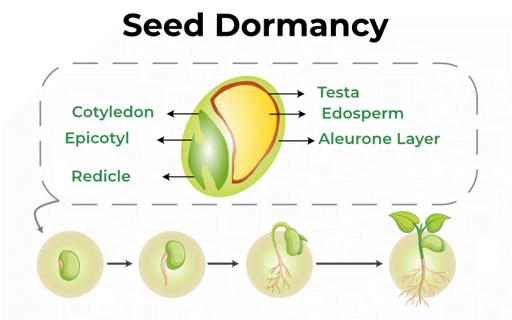
Figure 2: Seed Structure and Germination
The seed coat, embryo, storage tissues, and radicle are involved in the transition from dormancy to germination.
Source page: GeeksforGeeks seed-dormancy resource. Verify licensing before commercial publication.
Major Types of Seed Dormancy
Seed dormancy can arise from the seed coat, embryo, hormonal regulation, or combinations of these mechanisms. The major types include physiological, physical, morphological, morphophysiological, and combinational dormancy.
1. Physiological Dormancy
Physiological dormancy results from internal biochemical or physiological restrictions. The embryo may be unable to grow, inhibitors may suppress germination, or the seed may require a particular temperature or light treatment.
Abscisic acid, abbreviated as ABA, generally promotes dormancy maintenance, whereas gibberellins, abbreviated as GA, promote processes associated with germination.
2. Physical Dormancy
Physical dormancy occurs when a seed coat is impermeable to water. The embryo may be capable of growth, but water cannot enter the seed.
Dormancy may be released when the seed coat is naturally weathered or weakened through mechanical, thermal, or chemical scarification.
3. Morphological Dormancy
In morphological dormancy, the embryo is underdeveloped when the seed is dispersed. The embryo must continue growing after imbibition before radicle emergence occurs.
4. Morphophysiological Dormancy
This type combines an underdeveloped embryo with physiological inhibition. Both embryo development and release of the physiological block are required.
5. Combinational Dormancy
Combinational dormancy involves more than one mechanism, commonly an impermeable seed coat together with physiological inhibition.
Primary and Secondary Dormancy
Primary dormancy is established during seed development and is present when the seed is dispersed. Its depth may be affected by maternal conditions, seed maturity, temperature during development, and genetic background.
Secondary dormancy develops after primary dormancy has been released when a seed encounters unfavorable conditions for germination.
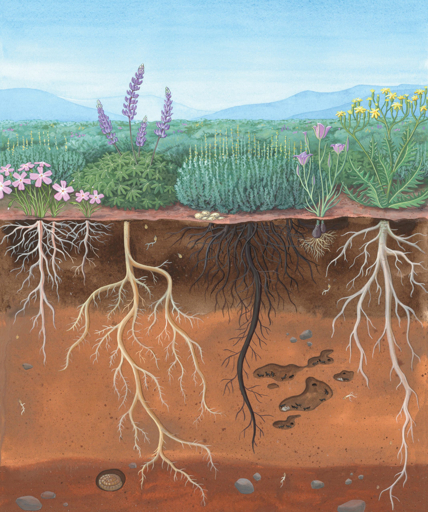
Figure 3: Soil Seed Bank
Dormant seeds stored in soil may contribute to future recruitment and vegetation recovery.
Source page: High Country News seed-bank resource. Verify licensing before commercial publication.
Mechanisms Controlling Seed Dormancy
Seed Coat and Covering Structures
Seed coats can restrict water entry, oxygen diffusion, embryo expansion, or the leaching of inhibitory compounds. Mechanical resistance may also prevent the embryo from exerting enough force to emerge.
Embryo Growth Potential
Some embryos are immature at dispersal, while others are fully developed but physiologically unable to grow. Embryo growth depends on cell division, cell expansion, stored reserves, water status, and hormonal signaling.
Hormonal Regulation
ABA and GA are major regulators, but dormancy is not controlled by a simple on–off switch. ABA generally supports dormancy maintenance, while GA supports germination-related growth. Environmental signals affect hormone production, breakdown, transport, and sensitivity.
Figure 4: Hormonal Balance in Seed Dormancy
Supports dormancy
Promotes germination
The ABA–GA balance is influenced by environmental signals, seed history, and hormone sensitivity. Other hormones and signaling pathways also contribute.
Environmental Signals That Release or Induce Dormancy
Temperature
Temperature affects dormancy depth, hormone balance, enzyme activity, embryo development, and germination speed. Stratification is a treatment in which seeds are exposed to defined moist temperature conditions, commonly cool conditions.
Figure 5: Conceptual Temperature Response of Germination
Seeds generally have minimum, optimum, and maximum temperatures for germination. Exact values vary among species and populations.
Light
Light can promote or inhibit germination depending on species and seed history. Phytochrome systems perceive red and far-red light, allowing seeds to interpret canopy gaps, burial depth, and vegetation cover.
Water and Oxygen
Water is required for imbibition and metabolic activation, but excessive water can reduce oxygen diffusion through soil. A seed may therefore fail to germinate in both dry soil and poorly aerated waterlogged soil.
Figure 6: Conceptual Phases of Seed Imbibition
Rapid water uptake
Metabolic activation
Radicle emergence
Water uptake is followed by metabolic reactivation. Radicle emergence occurs only when dormancy restrictions and environmental requirements permit.
Nitrate, Smoke, and Fire Cues
Nitrate, smoke-derived compounds, alternating temperatures, heat, and fire-related chemical signals can release dormancy in particular species. These responses are species-specific.
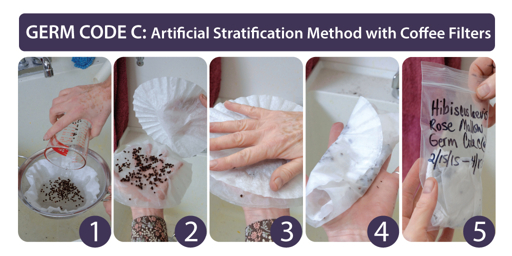
Figure 7: Cold Stratification
Moist chilling can release physiological dormancy in some species. Temperature and duration must be adjusted to the species.
Source page: Prairie Moon Nursery seed-stratification resource. Verify licensing before commercial publication.
Seed Germination After Dormancy Release
- Imbibition: Dry tissues absorb water.
- Metabolic reactivation: Respiration, enzyme activity, and protein synthesis increase.
- Reserve mobilization: Stored starch, proteins, and oils support embryo growth.
- Embryo expansion: Cells divide and expand.
- Radicle emergence: The root breaks through the covering tissues.
- Seedling establishment: The plant becomes increasingly independent through photosynthesis.
Dormancy-Breaking Methods
| Method | Mechanism | Typical Context | Caution |
|---|---|---|---|
| Scarification | Weakens an impermeable seed coat. | Physical dormancy. | Excessive damage can kill the embryo. |
| Cold stratification | Moist chilling alters physiological dormancy. | Many temperate species. | Requirements are species-specific. |
| Warm stratification | Supports embryo development. | Morphological or combined dormancy. | Requires moisture control. |
| Alternating temperatures | Signals seasonal transitions. | Some wild species. | Response depends on seed history. |
| Fire or smoke cues | Heat or smoke chemicals stimulate germination. | Some fire-prone ecosystems. | High heat can be lethal. |
| Hormone treatments | May counter physiological inhibition. | Nursery and laboratory work. | Results vary by species and dose. |
Successful treatment begins with diagnosis. Applying gibberellic acid to a physically dormant seed will not solve an impermeable coat, while scarifying a seed with deep physiological dormancy may allow water entry without producing germination.
Ecological Importance of Seed Dormancy
- Soil seed banks: Dormant seeds preserve future recruitment potential.
- Seasonal synchronization: Germination occurs during favorable seasons.
- Dispersal timing: Seeds can travel before germinating.
- Bet-hedging: Different seeds germinate in different years.
- Succession: Dormant seeds contribute to regeneration after disturbance.
- Species distribution: Dormancy requirements interact with climate, soil, fire, and canopy conditions.
Agricultural and Conservation Importance
Seed dormancy affects crop emergence, weed management, seed storage, seed testing, restoration, forestry, and conservation of rare plants.
In agriculture, uneven dormancy can produce non-uniform crop emergence or persistent weed seed banks. In restoration ecology, treatments should match local seasonal cues rather than forcing germination at an unsuitable time.
Seed Dormancy and Climate Change
Climate change can alter dormancy induction, after-ripening, stratification temperatures, soil moisture, fire regimes, and germination timing.
Warmer winters may reduce chilling conditions required by some species. Heatwaves and drought may induce secondary dormancy or kill emerging seedlings. Outcomes depend on seed traits, maternal environment, soil conditions, disturbance, and future climate.
Common Misconceptions
- All ungerminated seeds are dormant: False. Some are dead, non-viable, or quiescent.
- Dormancy is always harmful: False. Dormancy is often an adaptive survival strategy.
- One treatment breaks all dormancy: False. Treatment must match the dormancy mechanism.
- All legumes have hard seed coats: False. Physical dormancy varies among species and populations.
- Germination guarantees establishment: False. Seedlings remain vulnerable after radicle emergence.
Frequently Asked Questions
Seed dormancy is a condition in which a viable seed does not germinate under conditions that would permit germination in a non-dormant seed.
It delays germination until conditions are favorable, helping plants avoid seasonal stress and maintain soil seed banks.
Dormancy is caused by internal restrictions, whereas quiescence occurs when an external requirement is absent.
The main classes are physiological, physical, morphological, morphophysiological, and combinational dormancy.
Primary dormancy is established during seed development and is present when the seed is dispersed.
Secondary dormancy develops after dormancy has been released when a seed experiences unfavorable conditions.
ABA generally promotes dormancy maintenance, whereas GA promotes germination-related growth.
Stratification exposes seeds to defined moist temperature conditions to release some forms of physiological dormancy.
Scarification weakens a water-impermeable seed coat mechanically, chemically, or thermally.
No. Light promotes germination in some species, inhibits it in others, and has little effect in many others.
Temperature affects enzyme activity, hormone balance, embryo growth, and dormancy depth.
Internal Linking Suggestions
- Seed germination → Germination stages and seedling establishment
- Plant hormones → ABA, GA, and plant growth regulation
- Seed banks → Soil seed banks and plant community regeneration
- Seed dispersal → Dispersal mechanisms and plant distribution
- Plant reproduction → Sexual and asexual reproduction in plants
- Ecological succession → Seed banks and post-disturbance recovery
- Plant stress physiology → Drought, heat, and oxidative stress
- Fire ecology → Fire-adapted plants and smoke-stimulated germination
- Seed storage → Orthodox and recalcitrant seeds
- Conservation biology → Ex situ seed conservation and restoration
References and Further Reading
- Baskin, C. C., and Baskin, J. M. Seeds: Ecology, Biogeography, and Evolution of Dormancy and Germination.
- Finch-Savage, W. E., and Leubner-Metzger, G. Seed dormancy and the control of germination. New Phytologist.
- Nonogaki, H. Research on seed germination and dormancy regulation.
- New Insights on the Main Factors That Guide Seed Dormancy and Germination.
- Seed Dormancy and Regulation of Germination. Springer reference chapter.
- Fire-Released Seed Dormancy: A Global Synthesis.
- Integration of ABA, GA, and Light Signaling in Seed Germination.
Featured Image Information
SEO filename: seed-dormancy-types-causes-germination.jpg
Alt text: Dormant and germinating seeds illustrating dormancy release and seedling emergence
Recommended dimensions: 1200 × 630 pixels.
Final Takeaway
Seed dormancy is an adaptive timing mechanism, not merely a failure to germinate. It is controlled by seed-covering structures, embryo development, hormonal balance, environmental signals, and seed history.
By regulating germination timing, dormancy helps plants survive seasonal uncertainty, maintain soil seed banks, colonize disturbed habitats, and reproduce successfully.
Seed viability + dormancy status + environmental cues → germination timing → seedling establishment → population persistence


.jpg)





0 Comments