Introduction: Why Plant Milkweed Seeds?
Milkweed (Asclepias spp.) is the only host plant for monarch butterfly caterpillars. With monarch populations declining due to habitat loss, planting milkweed is one of the easiest ways to help. In the USA, native milkweed supports local ecosystems, attracts pollinators, and thrives in most regions.
Whether you're in a backyard in Texas, an apartment balcony in New York, or a rural plot in California, growing milkweed from seed is affordable and rewarding. Seeds are cheap (or free if collected), and plants are perennial—meaning once established, they return every year.
This guide covers everything: choosing seeds, stratification, planting methods (fall and spring), care, common mistakes, and troubleshooting. Follow these steps for high germination rates and healthy plants that monarchs love.


(These show mature milkweed in bloom with monarch butterflies—ultimate goal!)
Step 1: Choose the Right Milkweed Species for Your Area
Always plant native milkweed to your region. Non-native (like tropical milkweed) can harm monarchs by spreading parasites like OE in warmer zones.
Popular native options in the USA:
- Common Milkweed (Asclepias syriaca) — Zones 3-9, pink flowers, spreads via rhizomes. Great for Midwest/Northeast.
- Butterfly Weed (Asclepias tuberosa) — Zones 3-9, bright orange, clump-forming, drought-tolerant. South and East favorite.
- Swamp Milkweed (Asclepias incarnata) — Zones 3-6, pink/purple, loves moist soil. Ideal for wet areas.
Check your USDA Hardiness Zone and buy from reputable sources like Xerces Society Milkweed Seed Finder or local native plant nurseries.
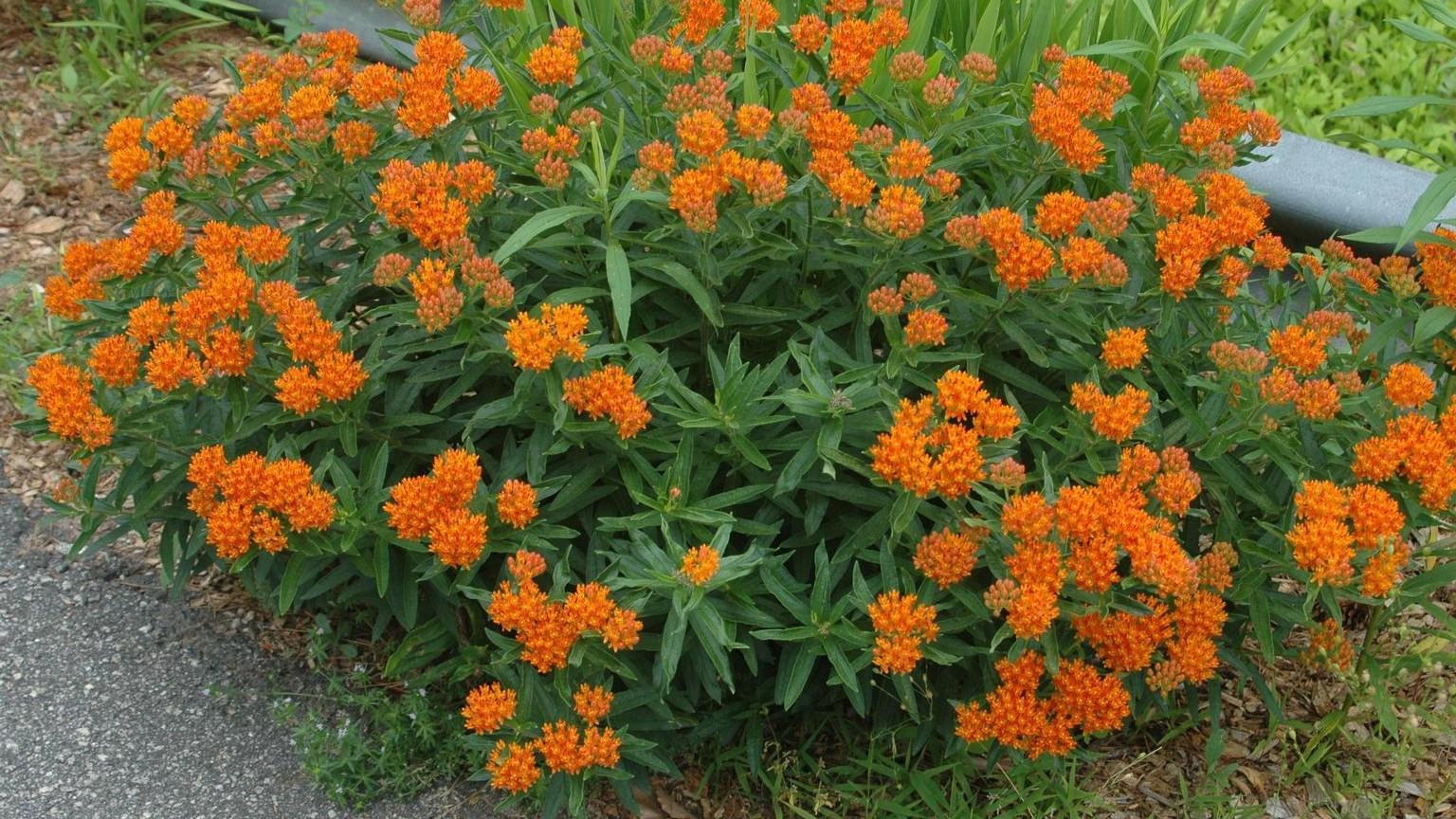
(Butterfly Weed – vibrant orange blooms that attract bees and butterflies.)
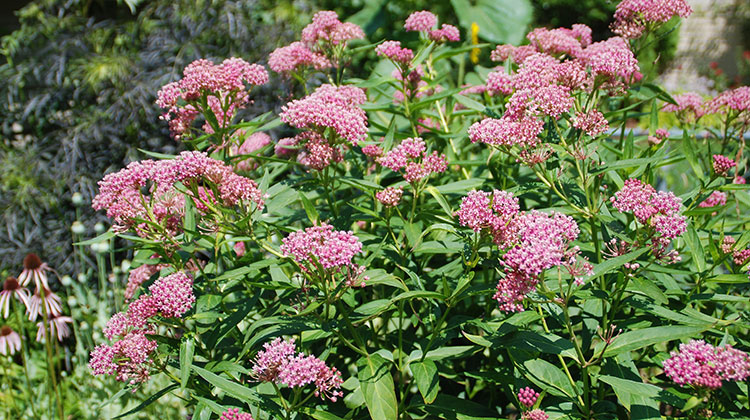
(Swamp Milkweed in a garden setting – perfect for moist spots.)
Step 2: When to Plant Milkweed Seeds (Best Timing by Region)
The #1 key to success? Cold stratification — milkweed seeds need winter-like cold/moist conditions to break dormancy.
- Fall Planting (Recommended for Most USA Regions): Sow outdoors in late fall (October-November) after the first frost but before ground freezes. Winter handles stratification naturally. Germination in spring (March-May depending on zone).
- Spring Planting: Start indoors 4-8 weeks before last frost, or direct sow after frost danger passes. Use artificial stratification.
Avoid summer planting—germination low without cold period.
Step 3: How to Prepare Milkweed Seeds (Cold Stratification)
Method 1: Natural (Fall Outdoor) — Nature does it.
Method 2: Artificial (For Spring/Indoors)
- Soak seeds in room-temperature water for 12-24 hours (optional).
- Place seeds in moist paper towels or damp sand/soil.
- Seal in a ziplock bag.
- Refrigerate (fridge, not freezer) for 4-6 weeks (30-40°F).
- Check weekly—keep moist.
Here’s what stratification looks like:


(Seeds in damp paper towel setup ready for the fridge.)
Step 4: Planting Milkweed Seeds Step-by-Step
Option A: Direct Sowing Outdoors (Easiest)
- Choose a sunny spot (6+ hours direct sun).
- Clear weeds, loosen top 1-2 inches of soil.
- Scatter seeds on surface, space 12-18 inches apart.
- Lightly press into soil—cover with 1/4 inch soil or compost (they need light to germinate).
- Water gently.
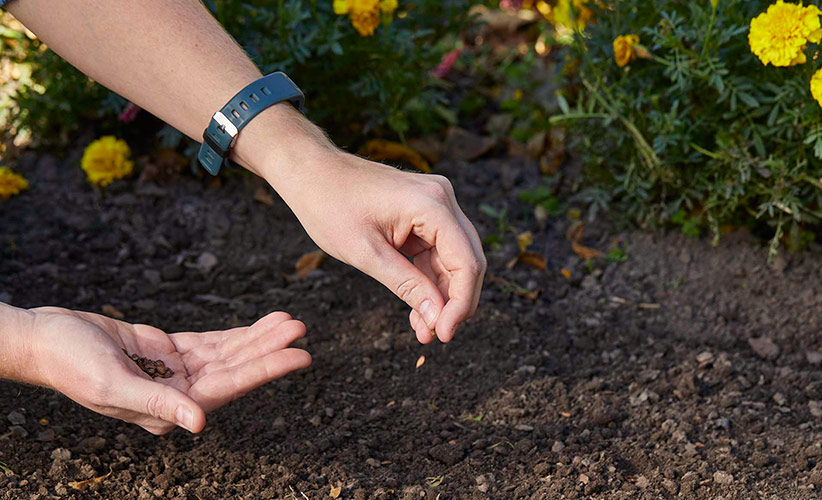
(Direct sowing seeds by hand into garden soil.)
Option B: Starting Indoors
- Fill pots with seed-starting mix.
- Plant 2-3 seeds per pot, 1/4 inch deep.
- Keep warm (70-75°F) under lights.
- Germination: 10-30 days.
- Transplant after last frost.
Young seedlings emerging:


(Healthy milkweed seedlings in trays – ready for transplanting.)
Milkweed seeds themselves look like this:


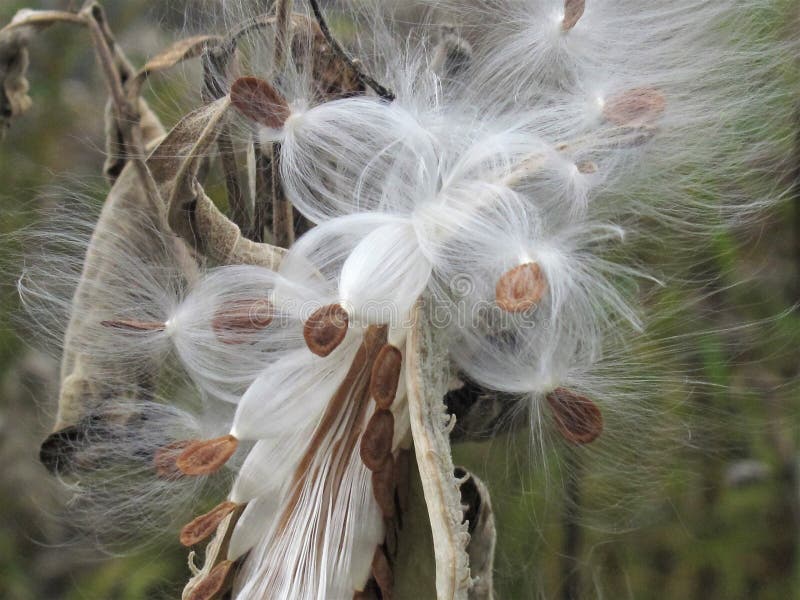
(Close-ups of milkweed seeds and bursting pods.)
Step 5: Caring for Milkweed Plants
- Watering: Moist during establishment, then drought-tolerant.
- Sun & Soil: Full sun, average soil—no heavy fertilizer.
- Maintenance: Cut back in fall. No pesticides!
- Pests: Aphids OK—ladybugs help. Caterpillars eat leaves (that's the point!).
Plant in groups for better monarch habitat.
Common Mistakes to Avoid
- Planting non-native in warm climates.
- Burying seeds too deep.
- Overwatering established plants.
- Using pesticides.
FAQs About Planting Milkweed Seeds
How long until milkweed blooms? 1-2 years from seed. Can I collect my own seeds? Yes—from dry pods in fall.
Start Your Monarch Haven Today
Planting milkweed seeds is simple and helps save monarchs. Start this fall or stratify now for spring. Your garden will come alive!


0 Comments