Have you ever noticed a droopy plant perk up within hours after watering? That quick recovery shows just how critical water is for plants. In fact, water makes up 80–95% of a living plant’s weight. Without it, plants cannot grow, produce food, or even stand upright.
In this easy-to-understand guide, we’ll explore the role of water in plant growth, including the water cycle in plants, water absorption in plants, the plant transpiration process, and the importance of water for plants. Perfect for students, home gardeners, and anyone curious about plant physiology and water.

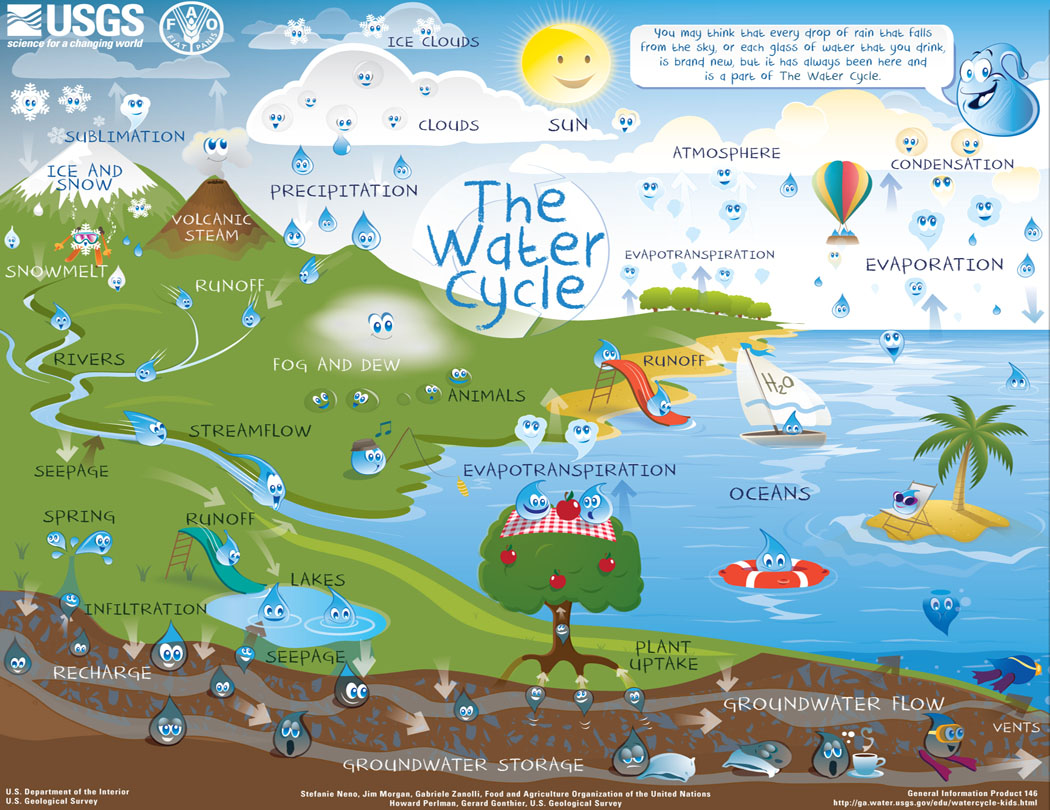
The Water Cycle in Nature: Nature’s Endless Supply Chain for Plants
The water cycle is Earth’s amazing recycling system that keeps water moving between the sky, land, and living things. Plants are active participants in this cycle.
Here’s how it works step by step:
- Evaporation: Sun heats water in oceans, lakes, and soil, turning it into vapor.
- Transpiration: Plants release water vapor from their leaves.
- Condensation: Vapor cools and forms clouds.
- Precipitation: Rain or snow falls back to Earth.
- Infiltration: Water soaks into the soil where roots can absorb it again.
The water cycle in plants is especially important because transpiration from leaves adds huge amounts of water vapor to the air, helping clouds form and bringing more rain.
How Plants Absorb Water: The Water Absorption in Plants Process
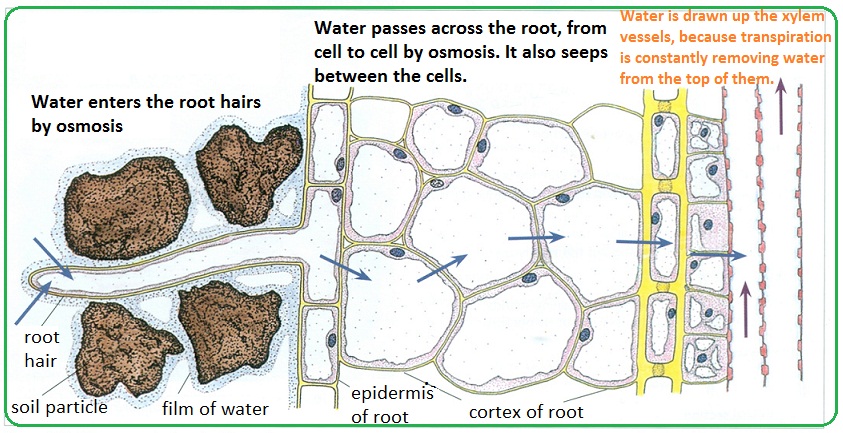
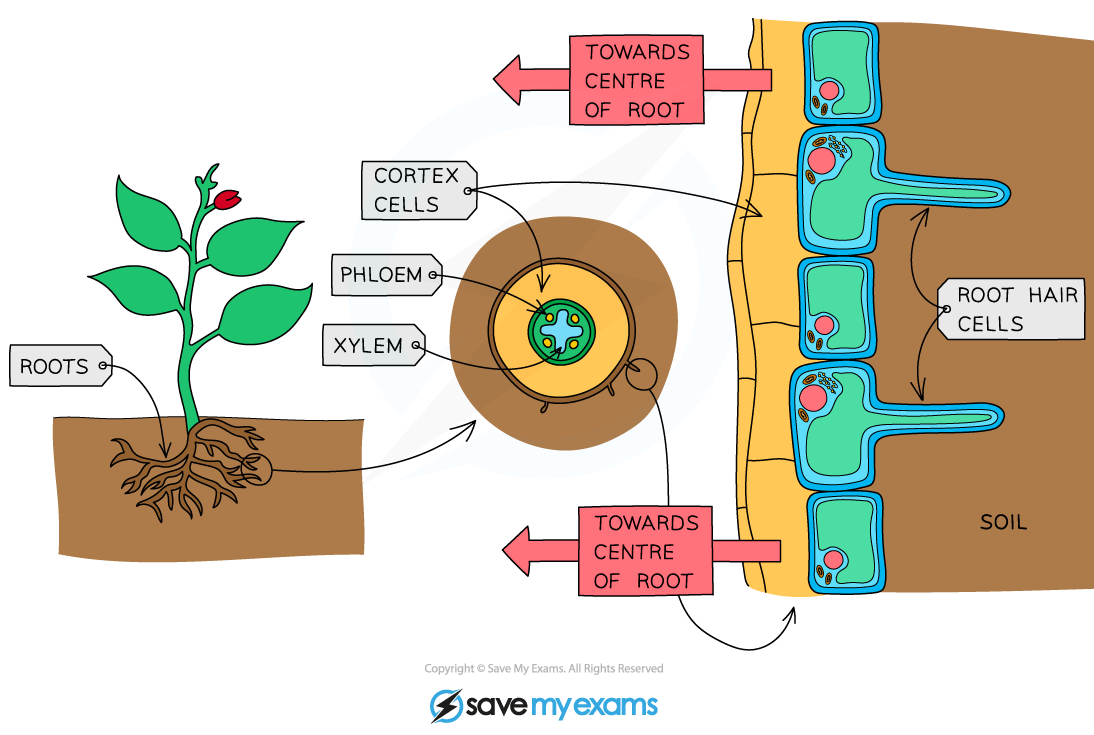
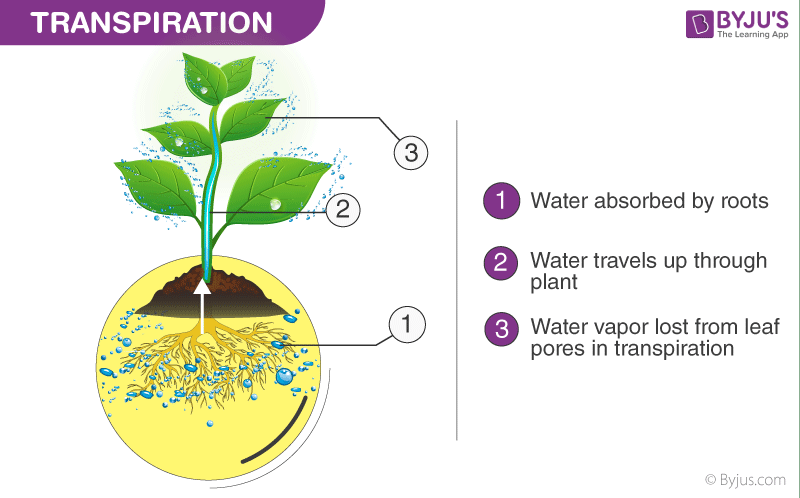
Plants don’t drink water like animals. They absorb it through their roots using a clever process called osmosis.
Step-by-step water absorption in plants:
- Tiny root hairs greatly increase the surface area of roots.
- Water moves from the soil (where it is more concentrated) into root cells (where it is less concentrated).
- Dissolved minerals travel along with the water.
- This creates root pressure that helps push water upward.
Healthy, loose soil with good moisture gives roots the best chance to absorb water efficiently.
Water Transport Through the Xylem: Plant Physiology and Water in Action
Once absorbed, water must travel from the roots all the way to the leaves—even in tall trees.
This happens through xylem — tiny pipe-like tubes that run through the stem.
- Water molecules stick together (cohesion) and to the walls of the xylem (adhesion).
- As water evaporates from leaves, it creates a strong “pull” that draws more water up from the roots.
- This is called the transpiration pull or cohesion-tension theory.
This efficient system is a beautiful example of plant physiology and water working together without any mechanical pumps.


The Plant Transpiration Process: Why Plants “Sweat” for Survival
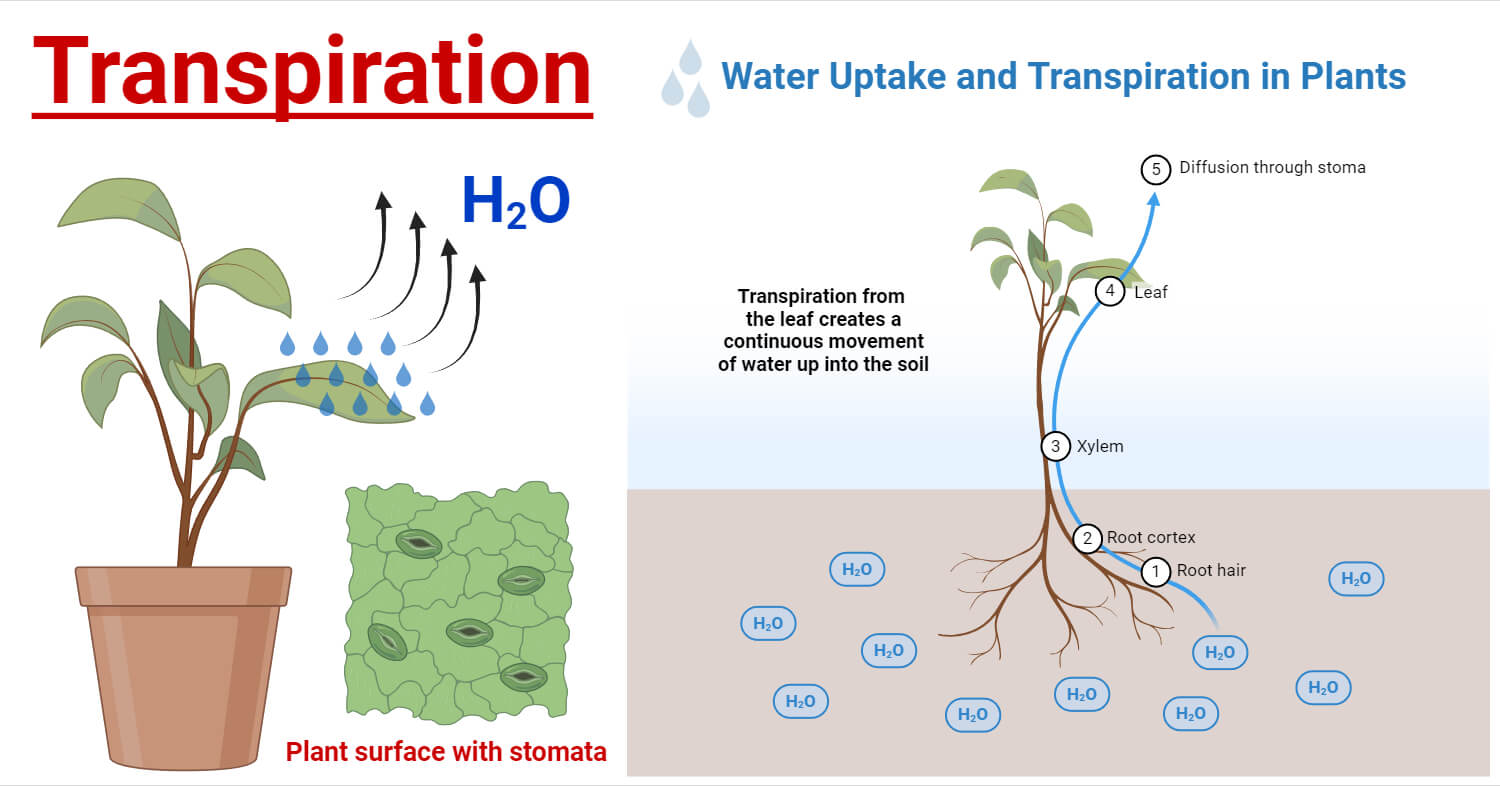
The plant transpiration process is the evaporation of water from leaves through tiny pores called stomata.
- During the day, stomata open to take in carbon dioxide for photosynthesis.
- Water vapor escapes at the same time.
- This water loss actually benefits the plant by cooling the leaves and pulling more water and nutrients upward.
A large tree can lose hundreds of gallons of water per day through transpiration!
Role of Water in Photosynthesis: Turning Sunlight into Food
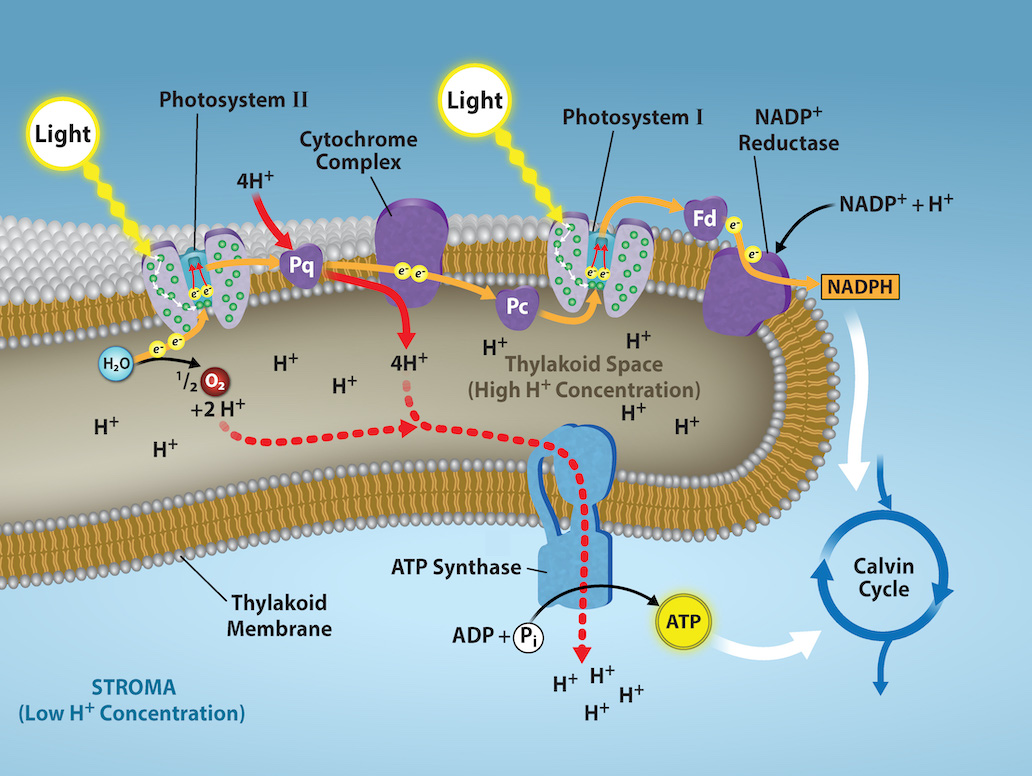
Water is not just a transport medium — it is a raw material for making food.
The basic photosynthesis equation is: 6CO₂ + 6H₂O → C₆H₁₂O₆ (sugar) + 6O₂
In the light-dependent stage, sunlight splits water molecules. This releases oxygen (which we breathe) and provides energy-rich molecules that help turn carbon dioxide into sugar.
Without water, photosynthesis stops completely, and the plant cannot grow.
The Importance of Water for Plants: From Growth to Survival
The importance of water for plants includes many essential functions:
- Keeps cells firm through turgor pressure (prevents wilting)
- Dissolves and transports minerals and nutrients
- Cools the plant during hot weather
- Acts as the solvent for all chemical reactions inside cells
- Is essential for seed germination and cell expansion
Simply put, water is the foundation of plant life.
FAQ: Role of Water in Plant Growth
Q1: What is the main role of water in plant growth? Water provides structure, transports nutrients, enables photosynthesis, and regulates temperature.
Q2: How does the water cycle in plants work? Plants absorb water through roots and release it as vapor through leaves (transpiration), helping drive the natural water cycle.
Q3: Why is water absorption in plants important? It supplies the plant with water and dissolved minerals needed for all growth processes.
Q4: What happens during the plant transpiration process? Water evaporates from stomata, creating a pull that moves water and nutrients from roots to leaves while cooling the plant.
Q5: Can plants survive long without water? Most plants wilt within a few days and may die within 1–2 weeks without water.
Q6: How much water do plants need? It depends on the plant type, size, and weather. Keep soil moist but never soggy.
Conclusion: Water Is the Foundation of Every Healthy Plant
From the water cycle in nature to water absorption in plants, xylem transport, the plant transpiration process, and its critical role in photosynthesis, water is at the heart of the role of water in plant growth.
Understanding the importance of water for plants helps gardeners water more effectively and students grasp core plant biology concepts.
Next time you water your plants, remember — you’re supporting every living process inside them. Give them the right amount of water, and they’ll reward you with healthy growth and beautiful green leaves!


0 Comments