Transpiration in Plants: Complete Guide to Process, Importance, Factors, Experiments & Adaptations
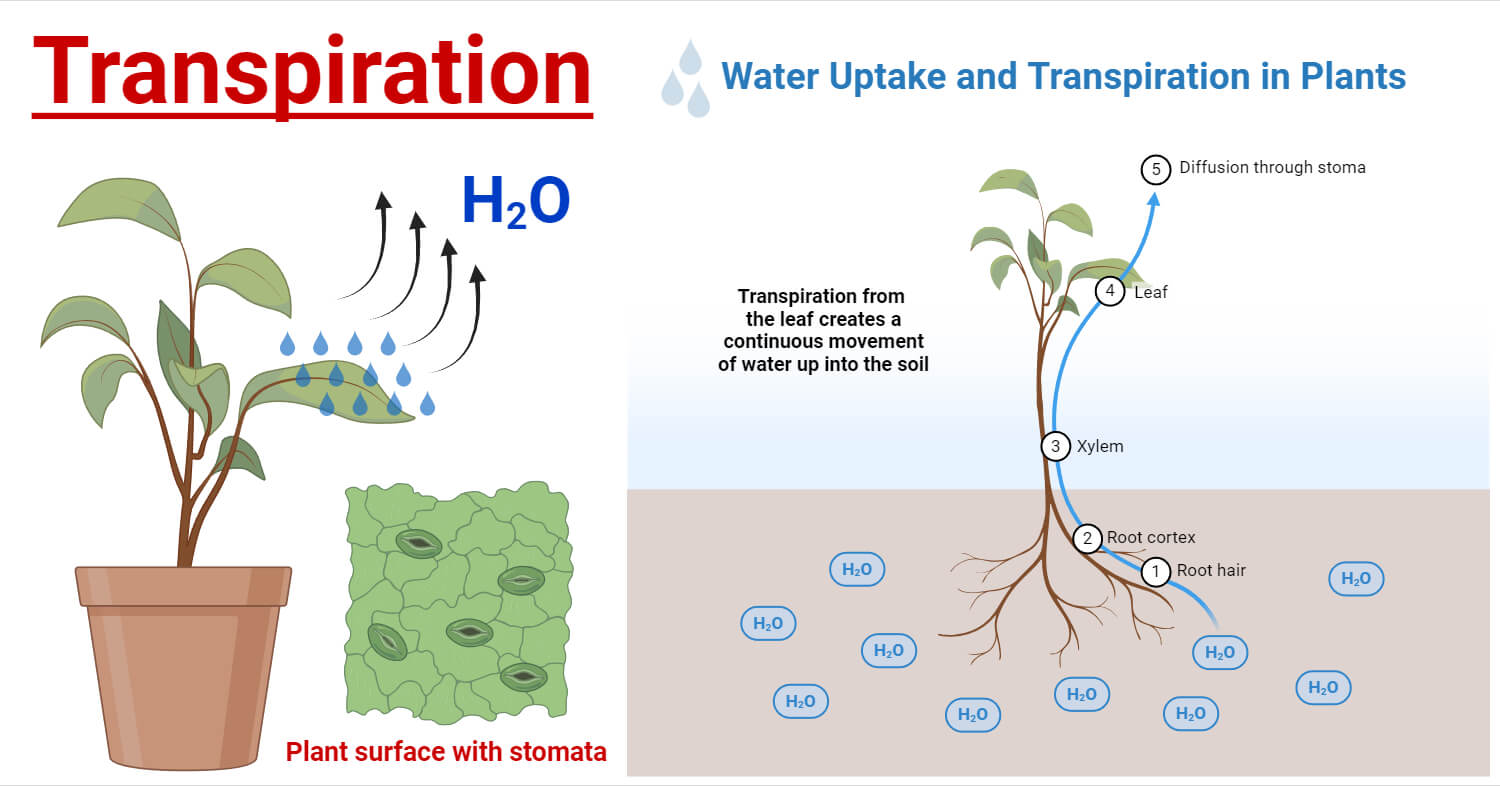
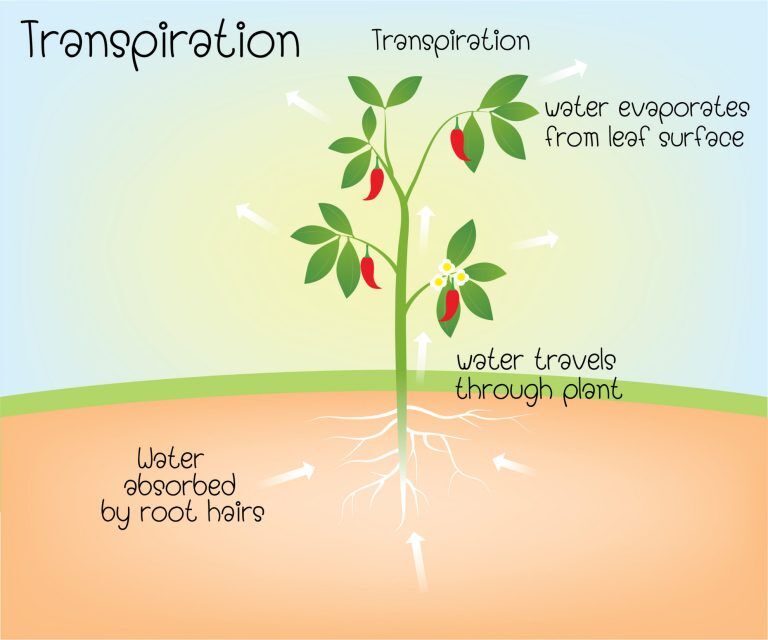
Transpiration is the process by which water moves through a plant and evaporates from aerial parts, primarily through stomata in the leaves. This continuous flow of water from roots to leaves serves multiple essential functions in plant biology and is crucial for maintaining plant health and growth.

Why is Transpiration Important?
Functions of Transpiration
- Water transport – Creates a pulling force (transpiration pull) that moves water up the plant
- Mineral uptake – Brings dissolved minerals from soil to plant tissues
- Temperature regulation – Cools the plant through evaporative cooling
- Turgor maintenance – Keeps cells firm and maintains plant structure
- Photosynthesis support – Supplies water needed for the process
The Transpiration Stream Water moves through the plant in a continuous column: Soil → Root hairs → Xylem → Leaves → Atmosphere
The Structure Behind Transpiration: Stomata
What are Stomata? Stomata (singular: stoma) are tiny pores found mainly on the underside of leaves that control gas exchange and water loss.

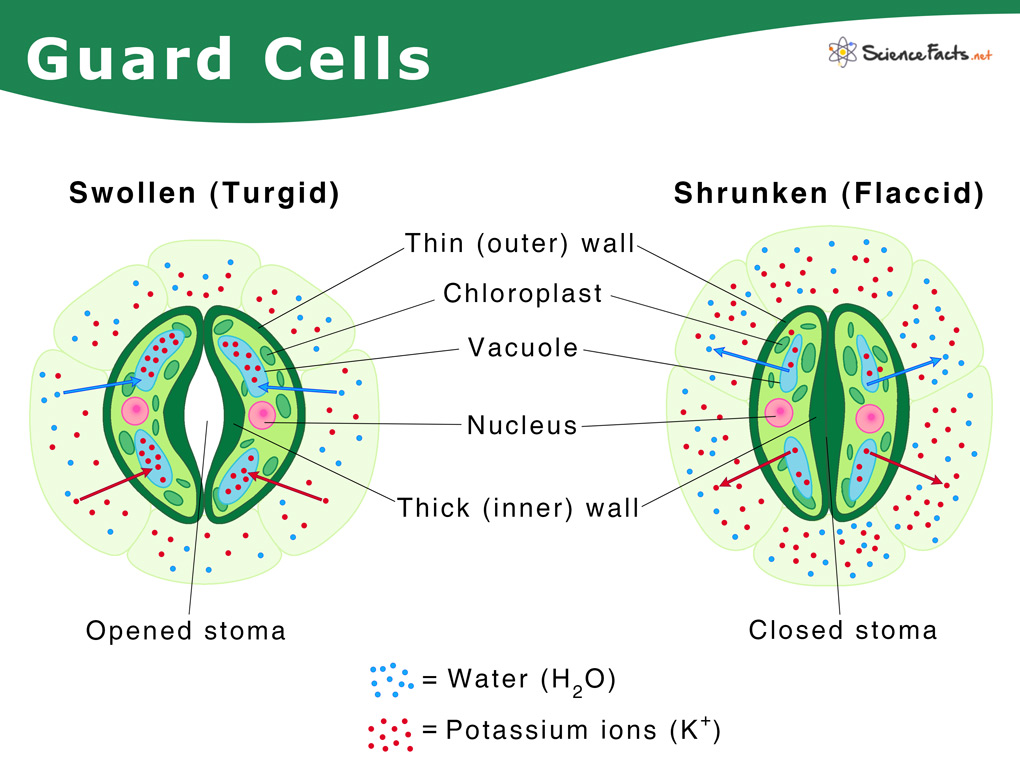
Stomata Structure
- Guard cells – Kidney-shaped cells that open and close the pore
- Stoma – The opening itself
- Subsidiary cells – Support cells surrounding guard cells
How Stomata Work
- Opening: Guard cells absorb water and become turgid, curving away from each other
- Closing: Guard cells lose water and become flaccid, closing the pore
- Control factors: Light, CO₂ concentration, water availability, and hormones


Factors Affecting Transpiration Rate
Environmental Factors
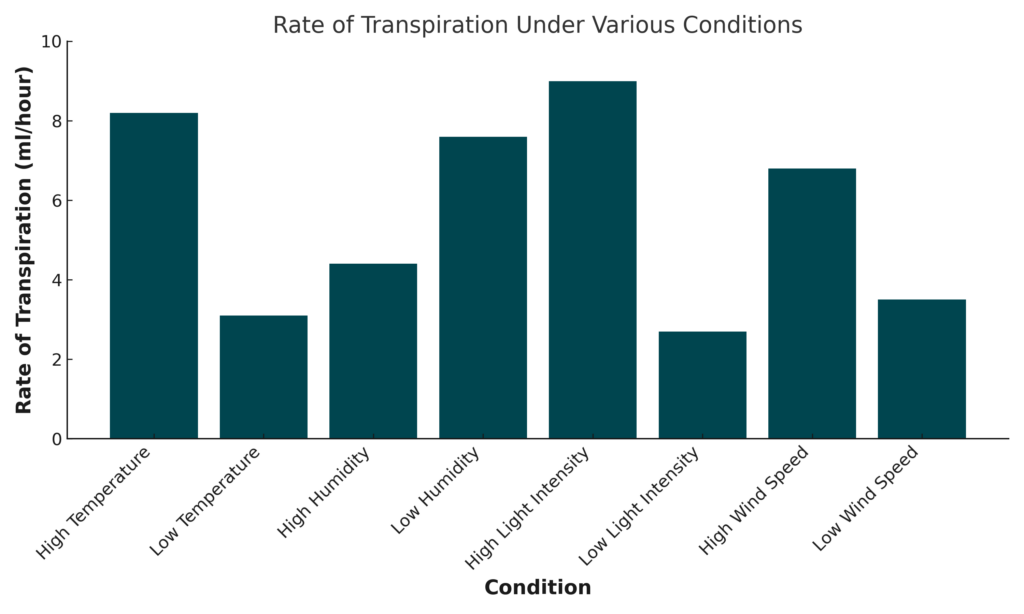
- Temperature – Higher temperature increases rate (increases evaporation and kinetic energy)
- Humidity – Lower humidity increases rate (greater water potential gradient)
- Wind Speed – Increased wind removes vapor, increasing rate
- Light Intensity – Bright light opens stomata, increasing rate
- Atmospheric Pressure – Lower pressure increases rate

Plant Factors
- Leaf Surface Area – Larger = higher rate
- Number and Distribution of Stomata – More = higher rate
- Presence of Cuticle – Thick waxy layer reduces loss
- Leaf Orientation – Vertical reduces exposure
- Root System – Extensive supplies more water
Measuring Transpiration Rate
Method 1: The Potometer Measures water uptake (approximates transpiration).
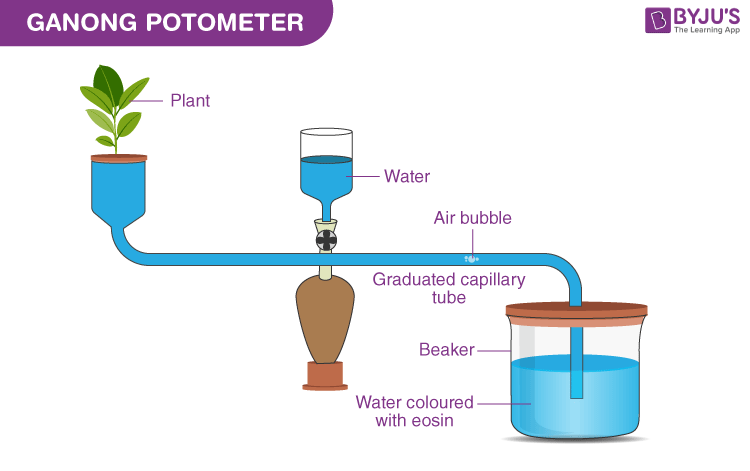

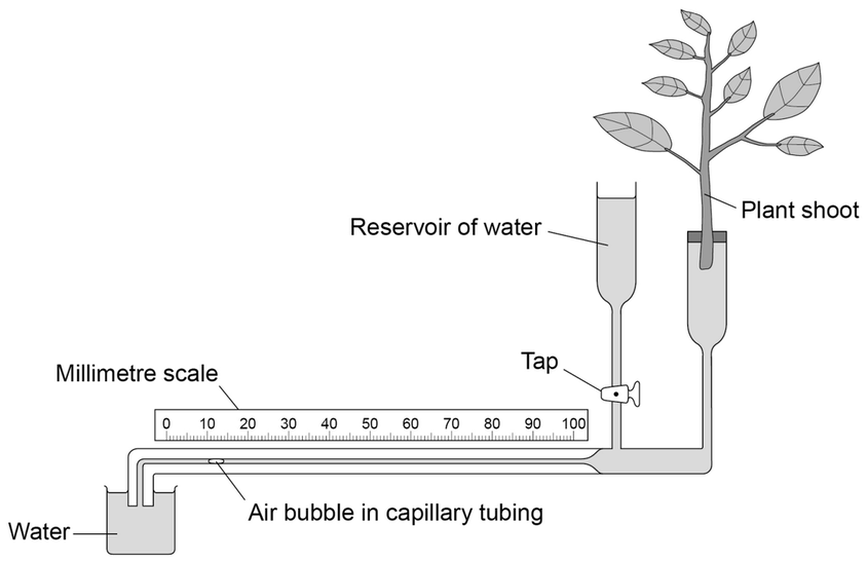
Method 2: Gravimetric Method – Weigh plant before/after
Method 3: Colorimetric Method – Cobalt chloride paper turns pink
Transpiration Experiments
Experiment 1: Effect of Wind – Higher rate with fan
Experiment 2: Effect of Temperature – Higher temp = faster rate
Experiment 3: Leaf Surface Areas – More area = higher total rate
Experiment 4: Effect of Humidity – Lower humidity = higher rate
Adaptations to Control Transpiration
Xerophytes (Desert Plants) Sunken stomata, reduced leaves/spines, thick cuticle, CAM photosynthesis, extensive/deep roots
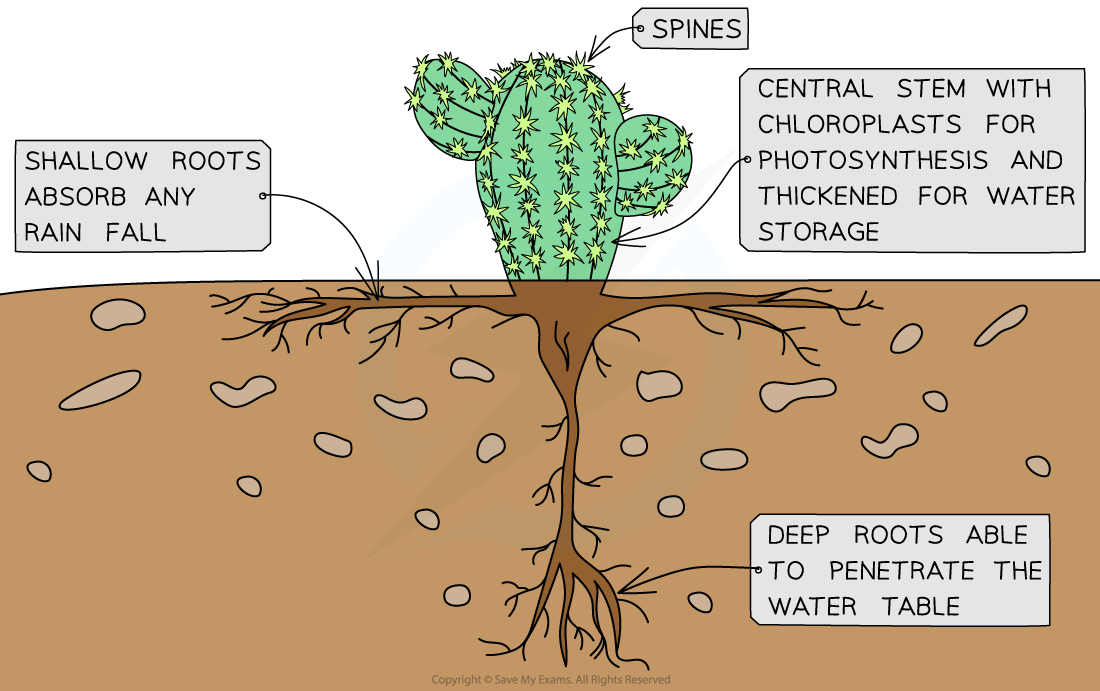
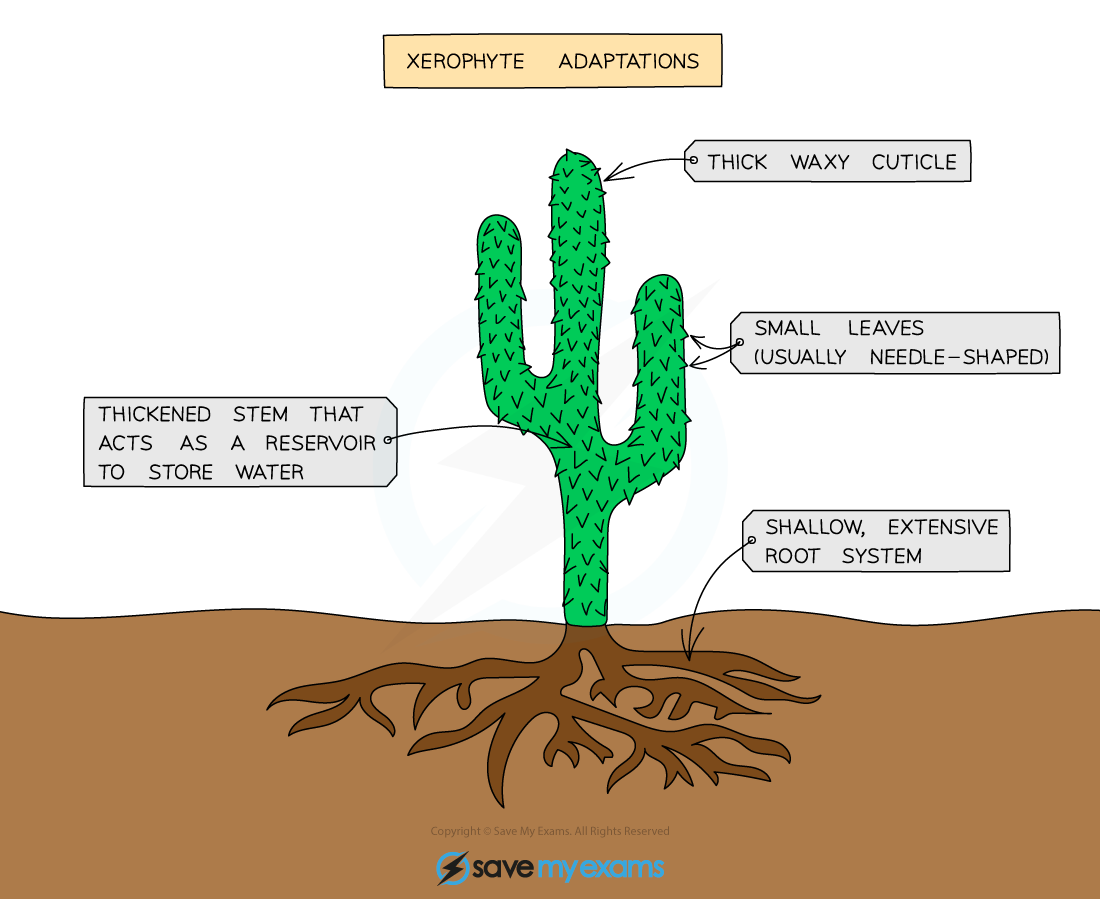

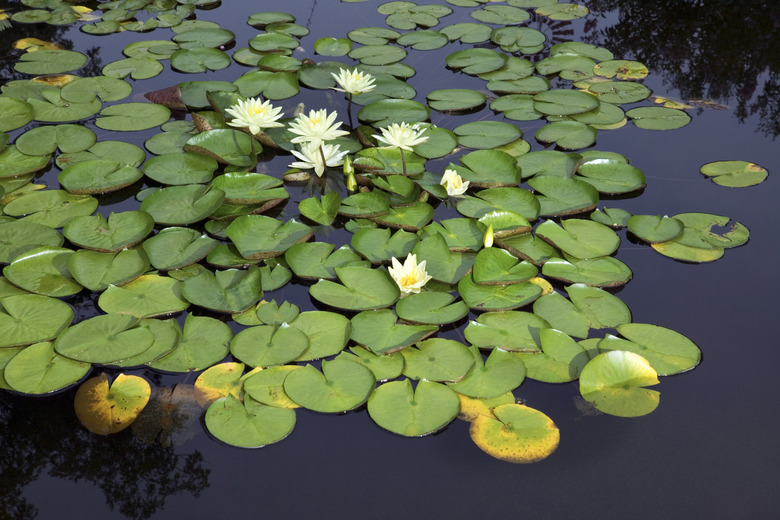
Hydrophytes (Water Plants) Stomata on upper surface, reduced roots, large air spaces, thin cuticle
Mesophytes Balanced – lower stomata, moderate cuticle, deciduous leaves
Transpiration and Climate Change Rising temperatures increase rates; higher CO₂ may close stomata partially; affects irrigation & crops
Calculating Transpiration Rates Formula: Volume lost ÷ Time Example: 2 ml in 30 min = 0.067 ml/min
Transpiration Ratio 300–800 kg water per kg dry matter
Common Questions About Transpiration (As original – night rate, wilting, species variation, tree amounts, vs evaporation)


0 Comments