Concept and importance of Plant Tissue Culture
Plant tissue culture (PTC) is a foundational technique in modern plant biotechnology. It involves growing plant cells, tissues, or organs under controlled, sterile (aseptic) conditions on a nutrient medium outside the parent plant (in vitro). This method exploits the totipotency of plant cells—the remarkable ability of a single cell or small tissue fragment to regenerate into a complete, functional plant.
The concept dates back over a century, with key milestones like Haberlandt's early 20th-century ideas on totipotency and Murashige & Skoog's (MS) medium in 1962, which remains widely used. Today, PTC is indispensable for rapid propagation, genetic improvement, conservation, and producing valuable compounds.

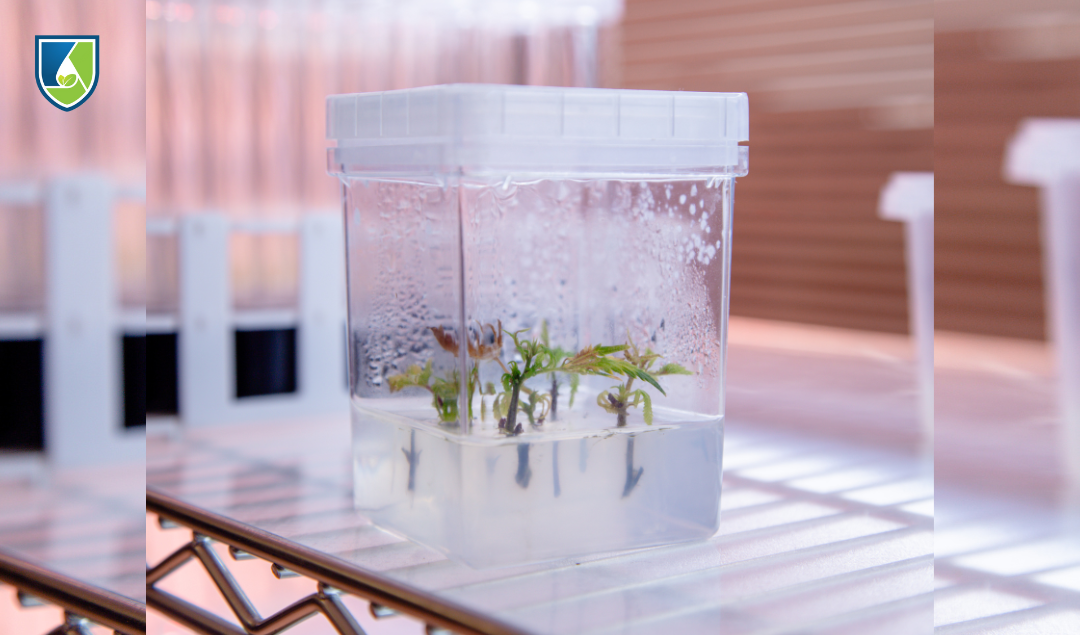

Core Principles of Plant Tissue Culture
- Totipotency & Pluripotency — Plant cells retain the genetic potential to develop into any cell type or entire organism.
- Aseptic Conditions — Strict sterility prevents microbial contamination.
- Controlled Environment — Precise regulation of temperature (22–25°C), light, humidity, and aeration.
- Nutrient Medium — Supplies inorganic salts, vitamins, carbon source (sucrose), plant growth regulators (PGRs), etc.
- Plant Growth Regulators (PGRs) — Auxins (e.g., IAA, NAA) and cytokinins (e.g., BAP, kinetin) direct morphogenesis.
- Explant Selection — Healthy starting material (meristem, leaf, stem, etc.).

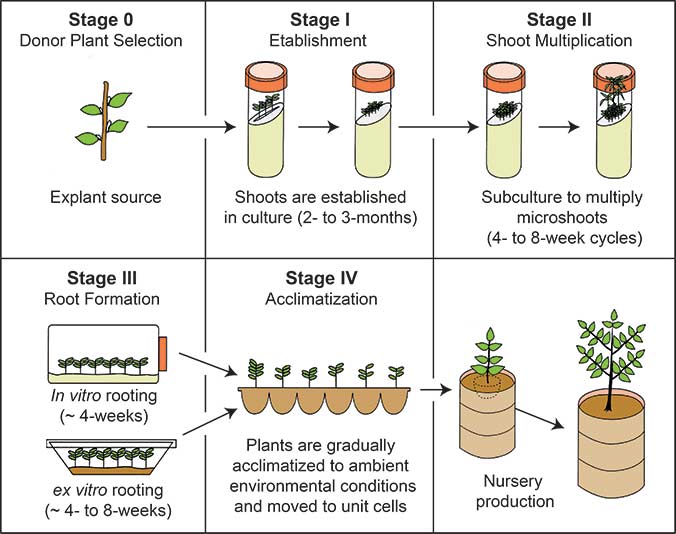
Common Types/Methods of Plant Tissue Culture
- Callus Culture — Undifferentiated cell mass.
- Suspension Culture — Liquid-grown cells for scale-up.
- Protoplast Culture — For somatic hybridization.
- Anther/Microspore Culture — Haploid production.
- Meristem Culture — Virus elimination.
Key regeneration pathways:
- De novo organogenesis — Direct shoot/root formation.
- Somatic embryogenesis — Embryo-like structures from somatic cells.
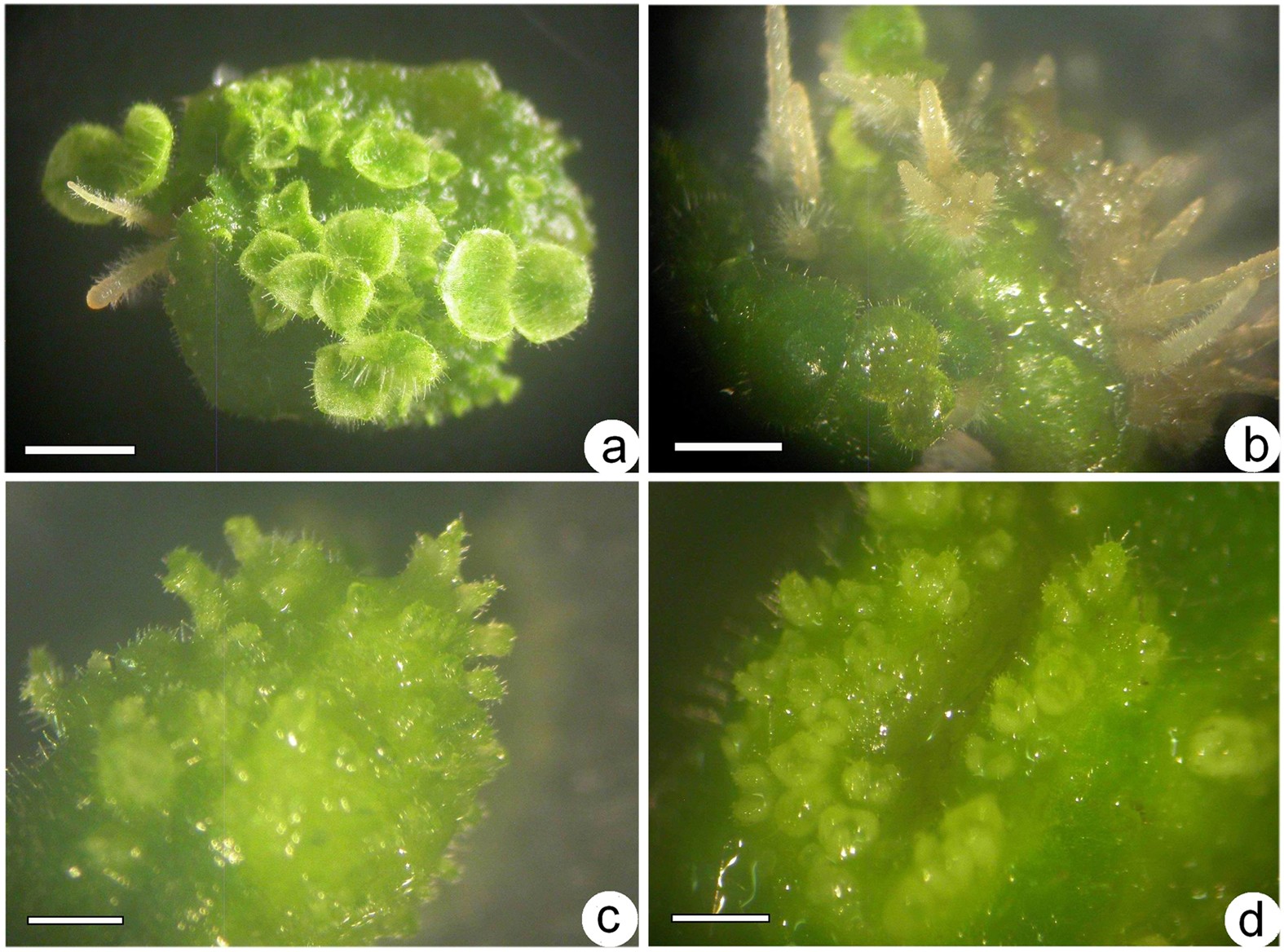


Standard micropropagation stages:
- Stage 0: Stock plant selection.
- Stage I: Explant establishment.
- Stage II: Shoot multiplication.
- Stage III: Rooting.
- Stage IV: Acclimatization.
Acclimatization (also known as acclimation or hardening off) in plant tissue culture is the critical final stage where in vitro-grown plantlets are gradually adapted from the controlled, sterile, high-humidity laboratory environment to the natural ex vitro conditions (greenhouse, nursery, or field).
It involves slowly exposing the delicate plantlets to lower humidity, higher light intensity, ambient temperature fluctuations, wind, and soil/substrate with potential microbes, while helping them transition from sugar-dependent (heterotrophic) nutrition to independent photosynthesis (autotrophic).
The process typically lasts 2–8 weeks and includes:
- Starting with high relative humidity (80–95%) using domes or mist systems, then gradually reducing it.
- Increasing light levels step-by-step to prevent scorching.
- Transferring plantlets to a well-draining growing medium (e.g., peat + vermiculite/perlite mix) after washing off agar residues.
- Progressive ventilation and reduced protection to build stronger cuticles, functional stomata, and robust roots.
Proper acclimatization ensures high survival rates (often 70–95%) when plantlets are finally transplanted outdoors; poor acclimatization leads to wilting, desiccation, or death due to transplant shock.
Importance of Plant Tissue Culture
- Mass Propagation — Clonal, disease-free plants (e.g., bananas, orchids).
- Crop Improvement — Genetic transformation, CRISPR editing.
- Germplasm Conservation — Endangered species storage.
- Secondary Metabolite Production — Pharmaceuticals like paclitaxel.
- Virus Elimination — Clean stock via meristems.
- Year-Round Production — Season-independent.
The global PTC market is projected to reach $978 million–$1.3 billion by 2032–2035 .


Applications in Agriculture, Horticulture & Industry
- Ornamentals: Orchids, roses.
- Fruits: Banana, pineapple.
- Forestry: Teak, eucalyptus.
- Medicinal plants: Enhanced bioactive production.
Recent Advances (2024–2026 Updates)
Plant tissue culture (PTC) is changing very fast with new technologies. Here are the main updates explained in simple, easy English:
- Direct Gene Editing Inside the Plant (In Planta Transformation) Now we can add or change genes directly in the living plant without doing the full long tissue culture process in the lab. For example, Texas Tech University’s 2025 system makes small cuts (wounds) on the plant, and from those wounded spots, new edited shoots grow quickly. It works well in crops like tobacco, tomato, and soybean.
- Automation and Robots Machines and robots now do most of the hard work, so we need much less human labor. For example, NXT Bioscience’s AX platform can produce thousands of plants every hour by fully automating the entire process.
- Artificial Intelligence (AI) and Machine Learning
AI helps in many ways:
- It chooses the best nutrient medium (the food mix for plants in the lab).
- It predicts how likely it is for the plant to grow successfully (regeneration success).
- It improves the design of tools for CRISPR gene editing.
- It automatically watches and controls the lab conditions.
- Better Combination with Gene Editing Tools Plant tissue culture now works very well together with CRISPR, base editing, and prime editing. These tools allow us to add many good features (traits) to the plant at the same time. AI makes this process faster and more accurate.
- Improvements for Large-Scale Production
- New advanced bioreactors (big containers where plants grow in large numbers).
- Temporary immersion systems (plants are dipped in liquid nutrients for short periods).
- Metabolic engineering and flux analysis (smart ways to control how plants make useful chemicals inside them). These help produce much higher amounts of medicines and other valuable plant compounds.
- Eco-Friendly and Sustainable Methods Scientists now use natural elicitors (substances that encourage plants to make more useful compounds), metabolomics (detailed study of all chemicals in the plant), and green production methods. This helps make high-value products (like medicines and flavors) in an environment-friendly way without harming nature.


0 Comments