Enzymes in Plants: The Ultimate Guide to Biological Catalysts – Structure, Function, Factors & Experiments
What Are Enzymes?
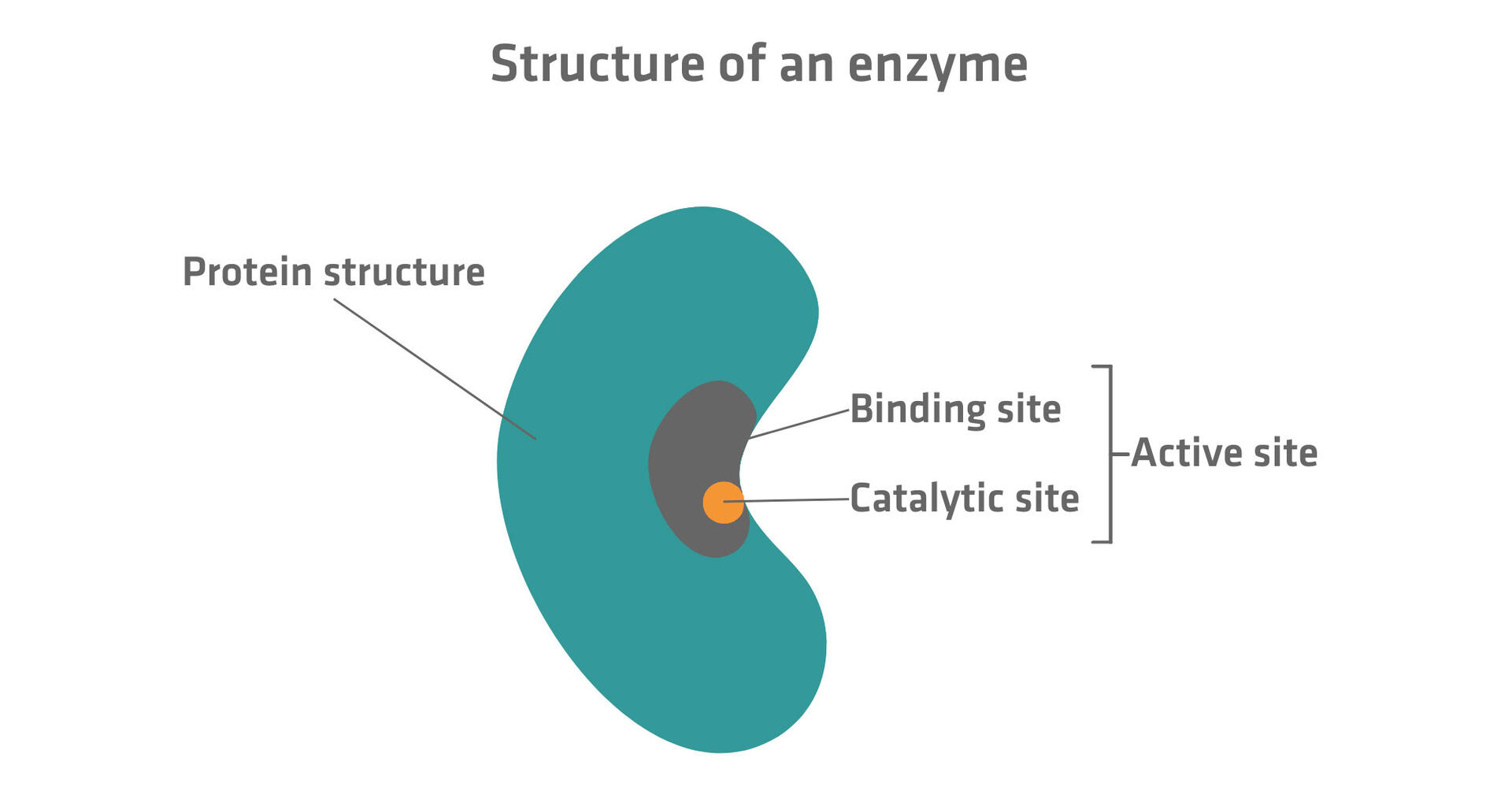
Enzymes are biological catalysts—proteins that speed up chemical reactions in living organisms without being consumed in the process. In plants, enzymes play crucial roles in photosynthesis, respiration, digestion, growth, and defense mechanisms.


Key Characteristics of Enzymes
- Specificity: Each enzyme catalyzes only one type of reaction
- Efficiency: Can speed up reactions by millions of times
- Reusability: Not used up in reactions
- Sensitivity: Affected by temperature, pH, and substrate concentration
- Regulation: Activity can be turned on or off as needed

Types of Enzymes in Plants
- Photosynthetic Enzymes
- RuBisCO – Most abundant enzyme on Earth; fixes CO₂ in Calvin cycle
- ATP synthase – Produces ATP during photosynthesis
- NADP reductase – Converts NADP⁺ to NADPH
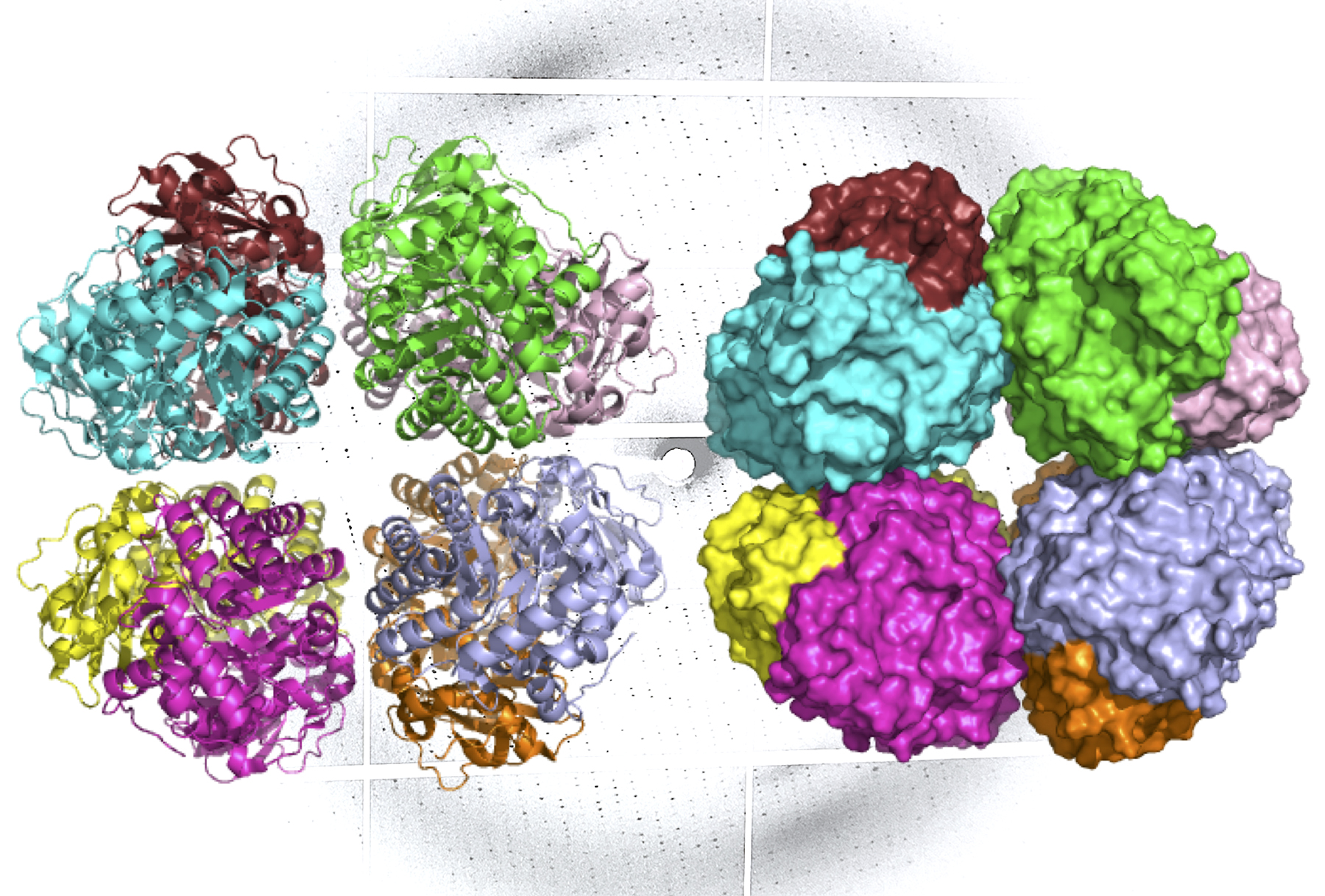
- Respiratory Enzymes
- Cytochrome oxidase – Final enzyme in electron transport chain
- Dehydrogenases – Remove hydrogen atoms in respiration
- ATP synthase (mitochondrial) – Produces ATP
- Digestive Enzymes
- Amylase – Breaks down starch into sugars
- Proteases – Break down proteins
- Lipases – Break down fats
- Defense Enzymes
- Chitinases – Break down fungal cell walls
- Peroxidases – Protect against oxidative damage
- Phenol oxidases – Produce defensive compounds
Factors Affecting Enzyme Activity
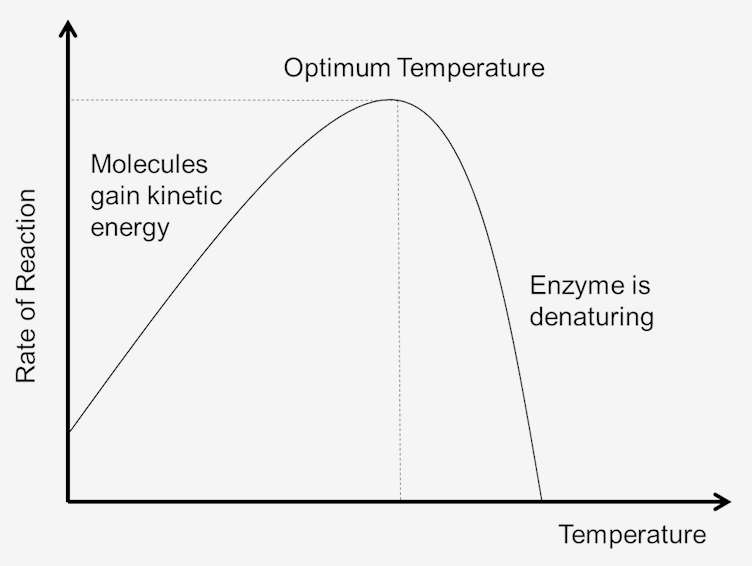
- Temperature How Temperature Affects Enzymes
- Low temperatures: Enzymes work slowly (reduced kinetic energy)
- Optimal temperature: Maximum activity (usually 30-40°C for plants)
- High temperatures: Enzymes denature (lose shape and function)
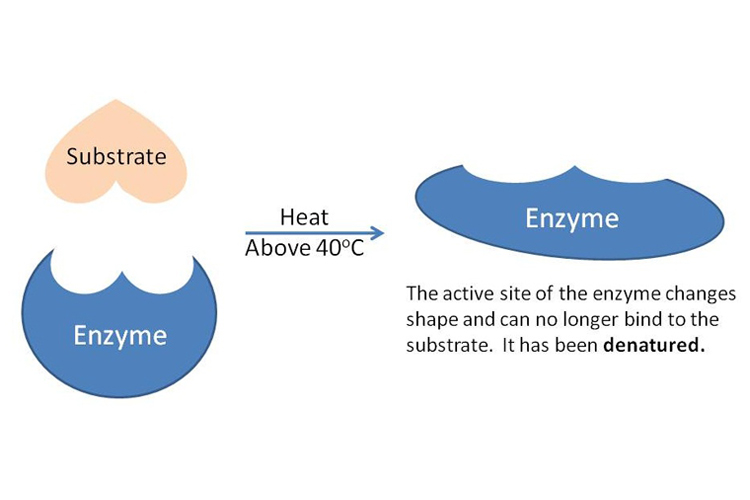
Denaturation When enzymes are heated above their optimal temperature:
- Bonds in the protein break
- Active site changes shape
- Substrate can no longer fit
- Activity is permanently lost

- pH Level How pH Affects Enzymes
- Each enzyme has an optimal pH
- pH affects ionic bonds in the enzyme
- Extreme pH causes denaturation
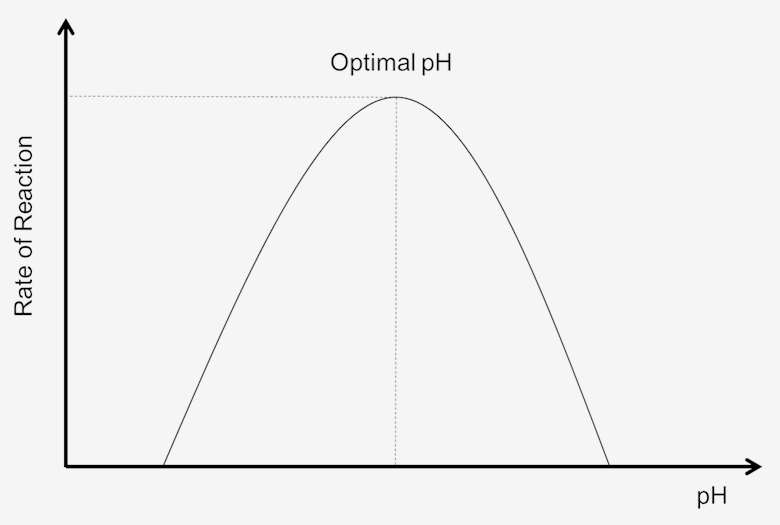
Optimal pH for Common Plant Enzymes
| Enzyme | Optimal pH | Location |
|---|---|---|
| Catalase | 7.0 | Peroxisomes |
| Amylase | 6.7-7.0 | Seeds, leaves |
| RuBisCO | 8.0 | Chloroplasts |
| Pepsin (protease) | 1.5-2.5 | Some carnivorous plants |
| Lipase | 7.0-8.0 | Seeds |
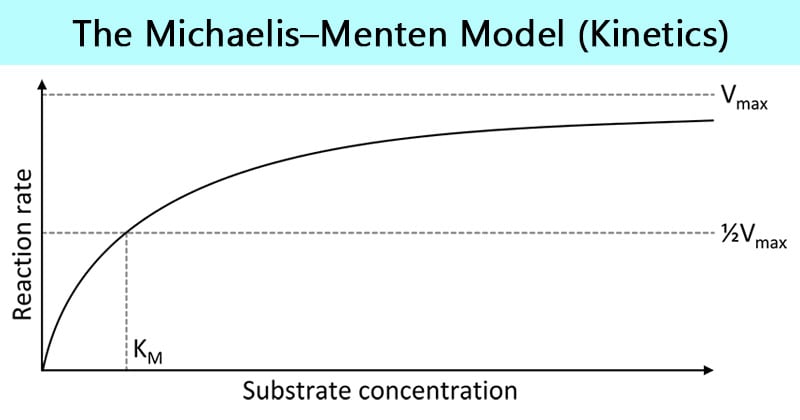
- Substrate Concentration The Effect
- Low substrate: Rate limited by substrate availability
- Increasing substrate: Rate increases proportionally
- High substrate: Enzyme becomes saturated
- Maximum rate: All active sites occupied (Vmax)

- Enzyme Concentration
- More enzyme molecules = faster reaction rate
- Directly proportional (with excess substrate)
- Important in biotechnology applications
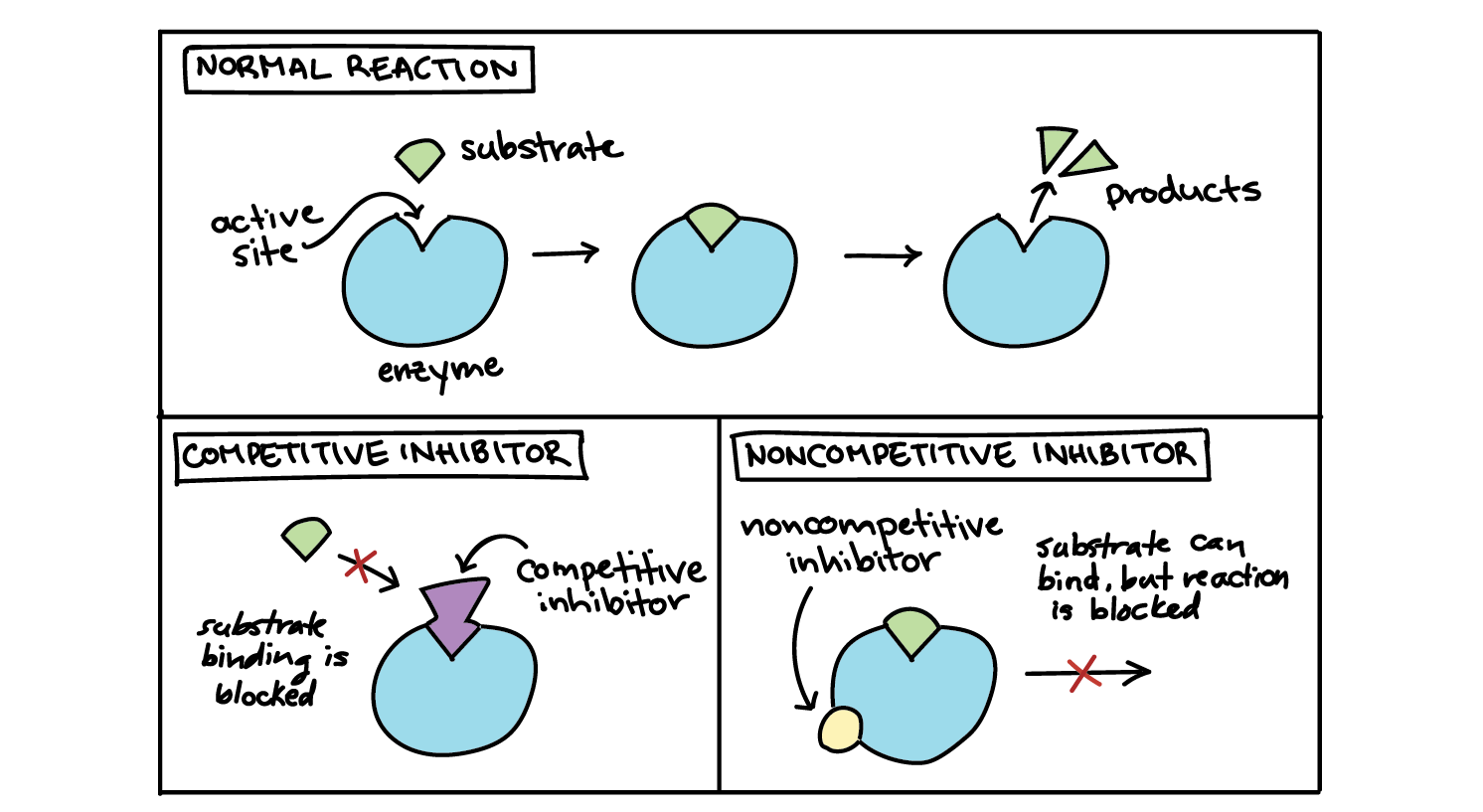
- InhibitorsCompetitive Inhibitors
- Similar shape to substrate
- Compete for active site
- Effect can be overcome by adding more substrate
- Bind to different site on enzyme
- Change shape of active site
- Effect cannot be overcome by adding substrate

Enzyme Experiments
Experiment 1: Effect of Temperature on Catalase Activity (Background, Materials, Procedure, Expected Results, Data Table – as original)

Experiment 2: Effect of pH on Amylase Activity (Background, Materials, Procedure, Expected Results, Data Table – as original)
Experiment 3: Effect of Substrate Concentration (Background, Materials, Procedure, Expected Results, Graph – as original)
Experiment 4: Investigating Enzyme Inhibitors (Materials, Procedure, Expected Results – as original)
Enzyme Kinetics Calculations (As original – Rate, Units, Example, Q₁₀)
Industrial and Agricultural Applications (As original – In Agriculture, Industry, Research)
Common Questions About Enzymes (As original – Why stop at high temp, Denatured recovery, Plant vs animal, RuBisCO importance)
These high-quality, HD diagrams and real experiment photos make the concepts much clearer and more visual! Perfect for study or teaching. Let me know if you need any section expanded, boss! 🚀


0 Comments