
What is CRISPR?
CRISPR-Cas9 (Clustered Regularly Interspaced Short Palindromic Repeats) is a revolutionary gene-editing technology that allows scientists to make precise changes to DNA. Originally discovered as a bacterial immune system, CRISPR has become the most powerful and accessible tool for genetic modification in plants, animals, and humans.
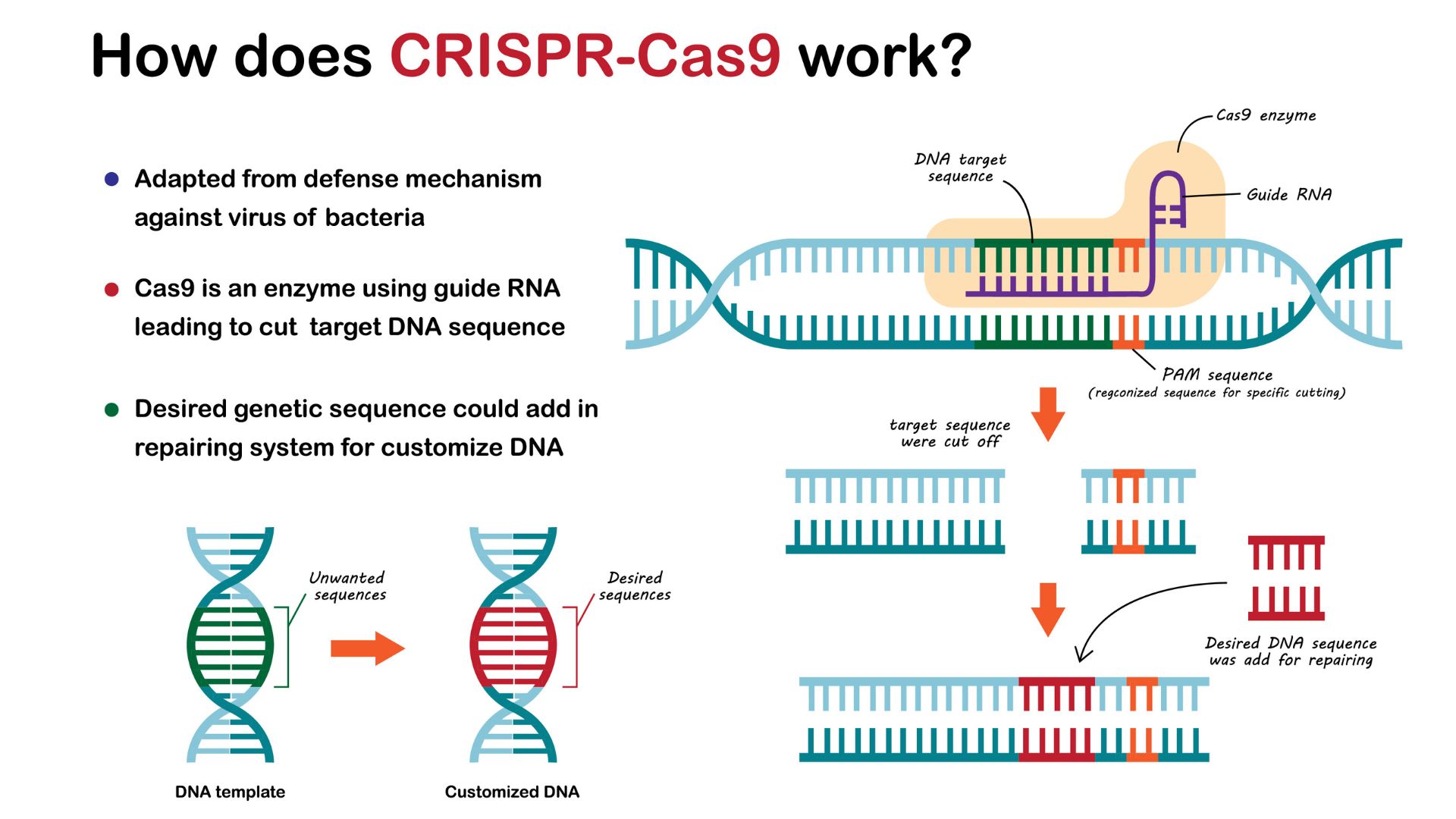

How CRISPR Works
- Guide RNA identifies the target DNA sequence
- Cas9 protein acts as molecular scissors
- DNA cut is made at the precise location
- Cell's repair mechanism fixes the cut (with or without changes)
- Gene is edited – either disabled, repaired, or enhanced
CRISPR vs. Traditional GMOs
| Feature | Traditional GMOs | CRISPR |
|---|---|---|
| DNA source | Often adds foreign DNA | Usually edits existing genes |
| Precision | Less precise | Highly precise |
| Regulation | Strict in most countries | Varies by country |
| Time | Years to develop | Months to develop |
| Cost | Expensive | Relatively inexpensive |
Applications of CRISPR in Agriculture
- Disease ResistanceFungal Resistance
- Wheat: CRISPR-edited wheat resistant to powdery mildew
- Rice: Enhanced resistance to rice blast disease
- Grapes: Protection against downy mildew
Viral Resistance
- Cucumbers: Resistance to cucumber vein yellowing virus
- Tomatoes: Protection against tomato yellow leaf curl virus
- Papayas: Enhanced resistance to ringspot virus
Bacterial Resistance
- Citrus: Resistance to citrus canker
- Apples: Fire blight resistance
- Potatoes: Late blight resistance
- Climate ResilienceDrought Tolerance
- Corn: Maintains yields with 30% less water
- Soybeans: Better performance in dry conditions
- Rice: Reduced water requirements
Heat Tolerance
- Wheat: Maintains grain quality at high temperatures
- Tomatoes: Fruit set in hot weather
- Lettuce: Reduced bolting in heat
Cold Tolerance
- Rice: Extended growing season in cooler regions
- Grapes: Frost resistance for wine production
- Citrus: Cold-hardy varieties
- Improved NutritionVitamin Enhancement
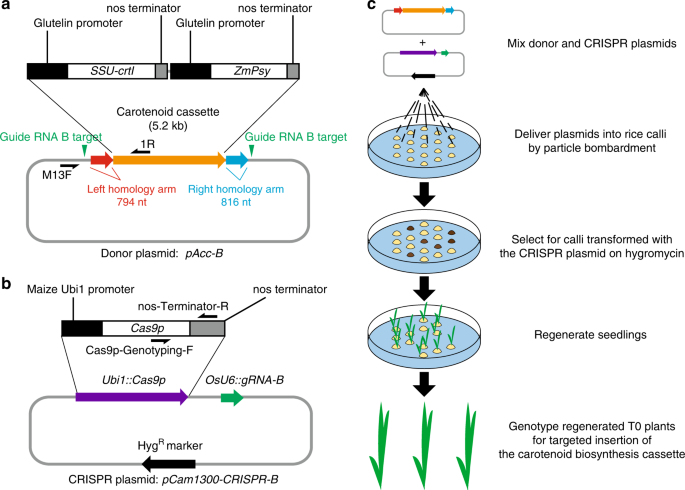
- Golden Rice 2.0: Higher vitamin A content using CRISPR
- Tomatoes: Increased vitamin C and lycopene
- Lettuce: Enhanced folate levels
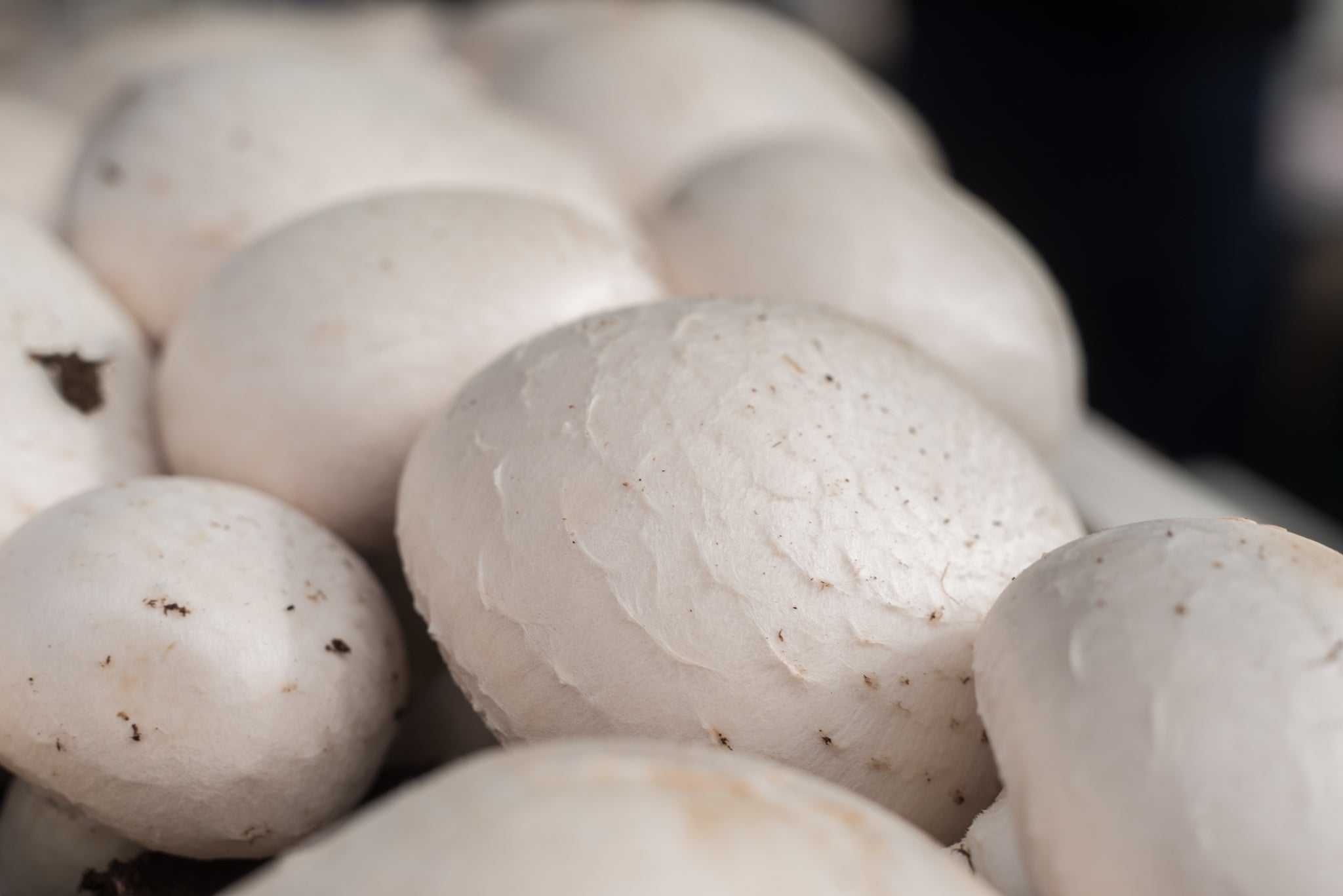
- Mushrooms: Higher vitamin D when exposed to light
Protein Content
- Corn: Increased essential amino acids
- Soybeans: Higher protein content
- Potatoes: Enhanced protein quality
Reduced Anti-nutrients
- Wheat: Lower gluten content for celiac patients
- Soybeans: Reduced phytic acid for better mineral absorption
- Beans: Lower compounds causing digestive issues
- Extended Shelf LifeDelayed Ripening
- Tomatoes: Longer shelf life without refrigeration
- Bananas: Reduced browning and longer transport life
- Apples: Non-browning varieties
Reduced Post-Harvest Loss
- Potatoes: Less sprouting in storage
- Onions: Extended storage life
- Mushrooms: Reduced browning
- Herbicide Tolerance Precision Weed Control
- Rice: Tolerance to specific herbicides
- Corn: Improved weed management options
- Wheat: Better control of grassy weeds
Note: Unlike traditional Roundup Ready crops, CRISPR can create herbicide tolerance without adding foreign genes.
- Yield ImprovementPhotosynthesis Enhancement
- Rice: Improved photosynthetic efficiency
- Soybeans: Better nitrogen fixation
- Wheat: Increased grain number per spike
Growth Optimization
- Corn: Higher planting density tolerance
- Tomatoes: More fruits per plant
- Cotton: Improved fiber yield

CRISPR Success Stories in Crops
- Non-Browning Mushrooms (USA) Developed by: Penn State University Edit: Disabled polyphenol oxidase gene Benefit: No browning when cut, longer shelf life Status: Approved for sale in USA (not regulated as GMO)
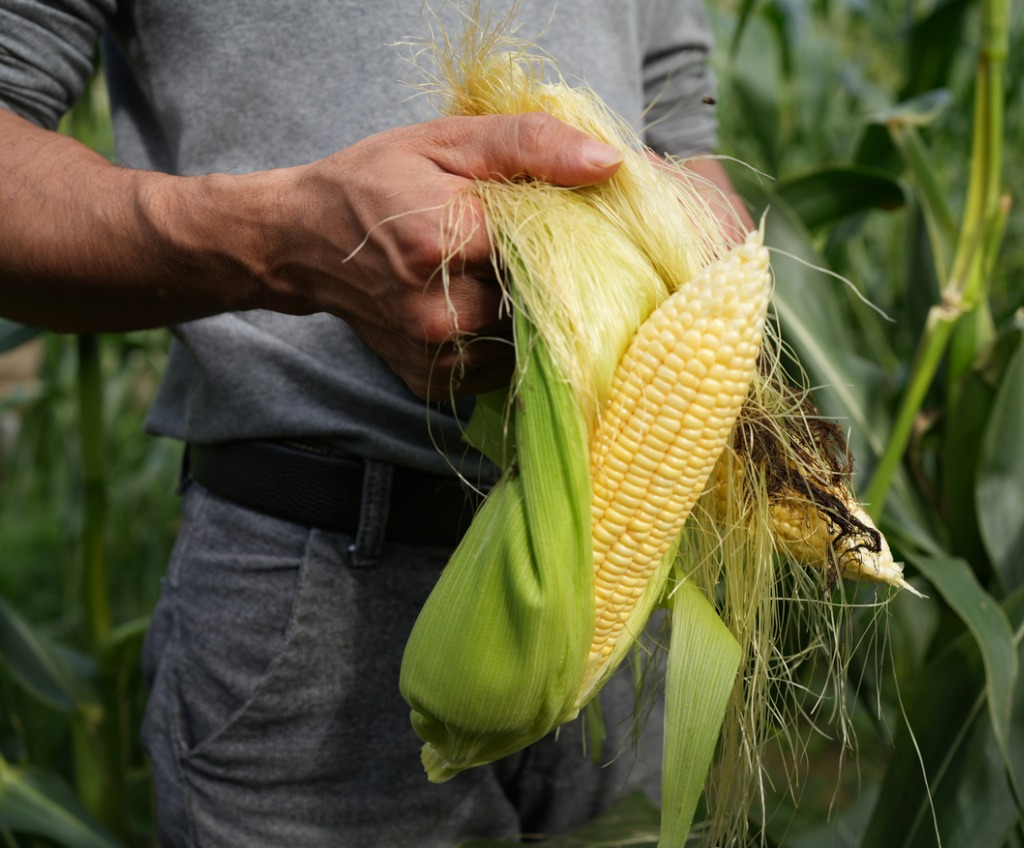
- Waxy Corn (USA) Developed by: Corteva Agriscience Edit: Increased amylopectin starch Benefit: Better for industrial uses and food processing Status: Commercially available
- High-Oleic Soybeans (USA) Developed by: Calyxt Edit: Disabled genes producing unhealthy fats Benefit: Heart-healthy oil with longer fry life Status: Commercially grown since 2019
- Powdery Mildew-Resistant Wheat (China) Developed by: Chinese Academy of Sciences Edit: Disabled susceptibility gene (MLO) Benefit: 30% yield increase in infected fields Status: Field trials ongoing
- Drought-Tolerant Corn (USA) Developed by: Multiple companies Edit: Enhanced stress response genes Benefit: Maintains yields with less water Status: In development
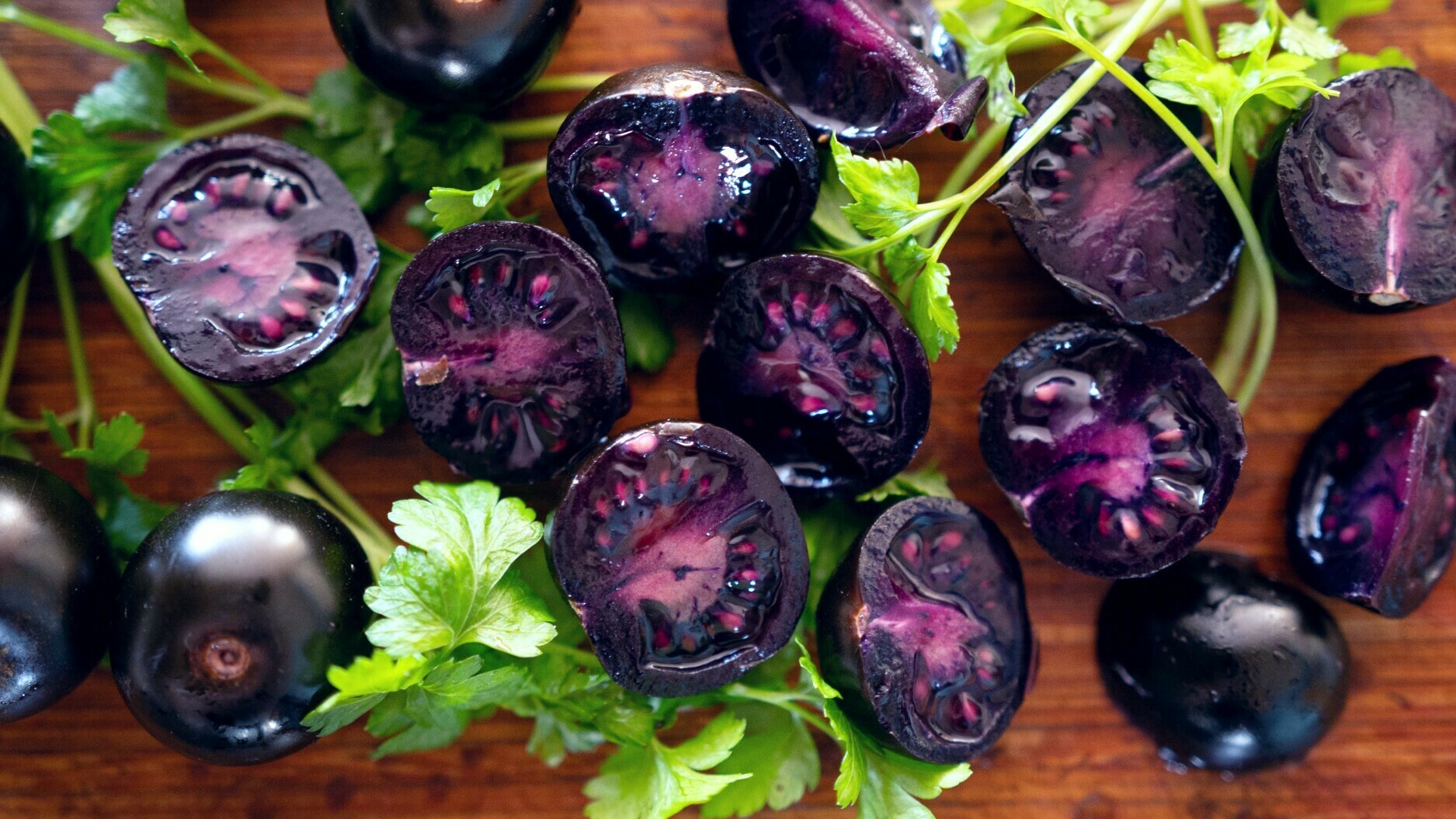
- Vitamin-Enhanced Tomatoes (UK) Developed by: John Innes Centre Edit: Enhanced anthocyanin production Benefit: Purple tomatoes with antioxidants Status: Approved in USA, awaiting UK approval

Benefits of CRISPR in Agriculture (For Farmers, Consumers, Environment, Developing Countries – sections unchanged)
Challenges and Limitations (Technical, Regulatory, Social/Ethical – sections unchanged)
Regulatory Status by Country (US, EU, China, India, Pakistan, Japan – sections unchanged)
The Future of CRISPR in Agriculture (Emerging Applications, Technological Advances, Timeline, Ethical Considerations – sections unchanged)
Conclusion CRISPR gene editing represents a paradigm shift in agricultural biotechnology. Unlike traditional genetic modification, CRISPR offers precision, speed, and versatility that could transform how we produce food. From disease-resistant wheat to nutrient-enhanced tomatoes, the potential benefits for farmers, consumers, and the environment are enormous.
However, realizing this potential requires addressing technical challenges, developing appropriate regulations, and engaging with ethical considerations. The technology itself is neither good nor bad—what matters is how we develop and deploy it.
As CRISPR crops move from laboratory to field, ongoing dialogue among scientists, policymakers, farmers, and consumers will be essential. By working together, we can harness the power of gene editing to create a more sustainable, nutritious, and secure food system for future generations.
The agricultural revolution is here, and CRISPR is leading the way.


.jpg)





0 Comments